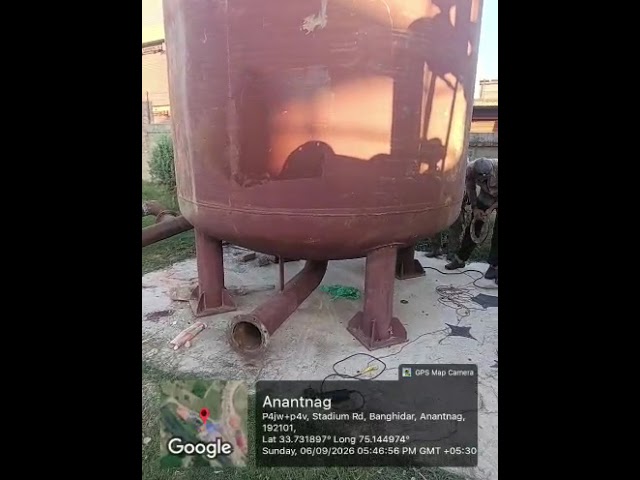





✔ Custom Manufacturing | ✔ PAN India Supply | ✔ 20+ Years Experience
Anomizer is a leading heat exchangers manufacturer in India offering high-performance industrial heat exchangers designed for durability, safety, and efficient operation across multiple industries.
Anomizer is one of the most recognized Heat Exchanger Manufacturers in India, providing manufacturing solutions for transferring thermal energy at an industrial level. Our heat exchangers can be relied on for durability, efficiency, and reliability across chemical, pharmaceutical, and food manufacturing industries. Each heat exchanger is manufactured with performed with materials that are certified to work under specifications, as well as manufactured under precise engineering processes for the least downtime and operational reliability. The advanced thermal management provided by each of our clients' systems will meet or exceed the stringent requirements required in today's industries.
Anomizer's manufacturing process incorporates high-performance equipment, quality-certified raw materials, and accurate methods of manufacturing. Each heat exchanger is tested for thermal performance, resistance to corrosion, and maximum allowable pressure to comply with certification requirements. Data obtained from the testing of heat exchangers provides evidence of long-term reliability and reduced energy consumption when using Anomizer-manufactured heat exchangers. By utilizing Anomizer's heat exchanger solutions, industries have continuous thermal energy transfer, maximize energy efficiency, and have reduced maintenance costs, allowing compliance with international and stringent operating standards.
Key Manufacturing Highlights:
Heat exchangers are a critical part of the transfer of thermal energy between two or more fluids so that the transfer of thermal energy happens efficiently, thus reducing energy use and increasing process safety. Heat exchangers can be found in every major manufacturing sector, including chemical manufacturing, pharmaceutical manufacturing, food manufacturing, and energy manufacturing. Well-engineered heat exchangers are built to precise specifications to deliver the same temperature throughout their life and maintain the reliability and longevity of all associated equipment; therefore, they are essential components of almost every thermal management system within the industry.
Tube Heat Exchangers are very important industrial systems because they are typically used in high-pressure and/or high-temperature operations. Tube Heat Exchangers provide even heat (uniform heat transfer), lower energy usage (reduce waste), and maintain the integrity of fluids (liquids and gases). Consequently, through the ability to perform continuous processes at a constant level of efficiency, Tube Heat Exchangers have a positive effect on productivity, lowering total operating costs and promoting sustainable manufacturing throughout a wide variety of industries.
| Parameter | Specification |
|---|---|
| Company | Anomizer |
| Material of Construction | SS304 / SS316L / Carbon Steel (Process Compatible) |
| Capacity | Up to 30,000 Liters (Application Dependent) |
| Design Pressure | Vacuum to 25 Bar (Design Dependent) |
| Operating Temperature | Ambient to 200°C (Process Dependent) |
| Wall Thickness | 3 – 30 mm (Design Calculation Based) |
| Heat / Process Transfer | Heating or Cooling arrangement as per the requirement |
| Equipment Type | Storage / Process / Heat Transfer / Pressure Containment Systems |
| Connections | Multiple nozzle ports as per process layout |
| Customization | Internal internals, insulation, mixing, or lining options |
As a trusted Heat Exchangers Suppliers in India, Anomizer provides high-performance heat transfer equipment to industries across India and overseas. After extensive examinations for quality assurance, our systems are manufactured according to ISO standards and ASME standards. Each system is optimised for the chemical, petrochemical, and power industries, which provide thermal management solutions to a multitude of industrial processes that are safe, reliable, and create efficiencies.
The product lines we offer encompass uniform graded products ranging from small units to large-scale installations. Our product line of Pressure Vessels and Shell Heat Exchangers provides you with maximum operational efficiencies. Each product is engineered to perform at high temperatures, pressures, or with changing characteristics of the fluids being used, and do so safely while using as little energy as possible. These advantages represent an increase in the customer's production productivity with little operational interruptions (24x7), regardless of the environment they are in.
Heat exchangers operate on principles of conduction, convection, and occasionally radiation, allowing heat to move efficiently between a hot and cold medium. These systems provide extreme thermal loss mitigations and temperature control accuracy, making these products extremely important for those industries that require thermal management solutions to provide both quality and safety of their business operations.
Shell Heat Exchangers exhibit indirect heat transfer as the hot and cold fluids are separated by conduction walls. The hot and cold fluids never come into contact with each other and are separated by the conduction walls (which prevent mixing). This engineering methodology assures the integrity of the fluids and thermal energy transfer, while minimising potential risks for operational inefficiencies for each of the industries we service that require consistent and reliable heat transfer.
Anomizer operates as a leading Heat Exchangers Traders in India, connecting certified manufacturers with industries in need of advanced heat transfer solutions. We offer a range of reliable options for heating, cooling, and energy recovery to our industrial customers, with long-term reliability combined with high energy efficiency.
Certified Shell And Tube Heat Exchangers are among the solutions we trade, known for their adaptability and high heat transfer efficiency. These units are designed for minimal energy consumption, easy maintenance, and extended service life. Our trading operations ensure industries gain access to the latest heat exchanger technologies while maintaining compliance with safety and performance standards.
Flow arrangements, mechanical design, mechanism of heat transfer, and phase change are used to classify Types of Heat exchangers. The right classification provides an industrial user with a heat exchanger capable of achieving maximum thermal efficiency, durability, and operational reliability, as well as minimizing energy loss and providing reduced operation and maintenance issues.
Different classification types of heat exchangers (e.g., plate, shell-and-tube, spiral) allow heat exchangers to be used effectively in an industrial setting. When suitably classified, the maximum potential of a heat exchanger can be realized (e.g., the most effective heat transfer, reduced fouling rates, and increased stability of the overall process). Additionally, heat exchangers can have their effectiveness improved through classification.
Counterflow arrangement results in the highest thermal efficiency. When fluids move in opposite directions (counterflow), there is a greater temperature differential existing between the hot and cold fluids, which allows for optimum heat transfer from one fluid to another. In parallel flow systems where both fluids are moved parallel to each other, a fouling problem exists and generates lower thermal efficiency than counterflow. In crossflow systems, fluid movement is at a 90-degree angle to each other (cross to each other), creating advantages of both parallel and counterflow systems while also providing additional flexibility with regard to specialized industrially related processes that may have variables such as available floor space for installation, etc.
Ensure your flow arrangement is designed so it provides a consistent temperature control and efficiently utilizes energy. A well-designed flow arrangement reduces the chance of hot spots forming, helps control the amount of pressure drop, and provides a stable operating environment. The use of industrial heat exchangers in the Industrial marketplace can provide the end-user with improved efficiency from the use of the heat source and a decrease in the cost of energy. Proper design engineering choices made during the engineering design process will provide for long-term reliability in operation, reduced maintenance costs, and improved safety for the process.
There are numerous types of heat exchangers available today, including shell and tube, plate, and spiral. Each type offers unique mechanical advantages (e.g., resistance to pressure; reduced size for the same thermal rating; and degree of resistance to fouling). Selection depends on process requirements, space availability, and fluid characteristics. Proper construction ensures reliable operation under high temperatures and pressures.
Industrial heat exchangers that have been designed and manufactured with heavy-duty construction have features such as a heavy-duty shell construction, a tube system with tube pitch and tube alignment assurance using precise alignment tooling to reduce the chance of domestic hot water connection failures, and isolation baffle systems to provide for proper structural integrity. Mechanical design considerations such as tube pitch, plate corrugation, and shell diameter can affect the heat transfer efficiency of the heat exchanger. By engineering a correctly designed heat exchanger, there will be a greater life span of the equipment, resulting in fewer repairs due to providing safe continuous operation for the intended purpose of the equipment in an industrial environment.
Industrial heat exchangers can transfer energy (heat) using either direct contact with different fluids (e.g., two different fluids) or indirect contact (e.g., through conduction through the walls of the heat exchange vessel). The type of contact used depends on the desired outcome for the heat transfer process. Direct contact allows for the rapid transfer of the energy (heat); however, the two fluids must be chemically compatible. The use of indirect heating/transfer (which occurs because the two fluids are not mixing) via the conduction of the heat transfer wall material of the heat exchanger makes this method safer to operate in both the chemical processing and power-generating industries.
Industrial heat exchangers and industrial pressure vessels utilize indirect heat transfer methods to achieve accurate temperature control of industrial processes while improving overall industrial safety. By utilizing separate fluids in two fluid streams during the heat exchange process, contamination is reduced, thereby maximizing energy savings. Many companies use the appropriate transfer medium, which dramatically increases reliabilities of processes, decreases operational liabilities, and meets safety compliance standards across multiple industries.
Heat exchangers serve the purpose of transferring thermal energy from a hot source to a cold sink. The most effective way to do this uses both phase change, which occurs through evaporation or condensation. When steam is produced in a boiler, the steam can be used as an energy source for many types of manufacturing processes, while evaporators typically convert liquid solutions into Concentrated Liquids or solid powders. Finally, the energy generated by vapors in condensers helps facilitate the overall efficiency of industrial processes by providing a means to utilize energy generated in manufacturing processes to perform additional economic work.
Although heat exchangers can be designed using many forms of equipment, the most commonly used are heat exchangers designed as Shell and Tube heat exchangers with phase change-type applications because they are designed to withstand high levels of temperature and pressure, and offer the most efficient operation. If designed and constructed appropriately, a heat exchanger will provide safe and efficient transfer of thermal energy between fluids at various temperatures and pressures throughout the industrial process, while concurrently recovering energy from the processes being used and delivering energy to manufacturing organizations at a lower cost than if they were not delivered.
Heat exchangers consist of several critical components: tubes (where the working fluid passes through), a shell (to house the heat exchange unit), baffles (to control the flow of fluids), and supports (which provide stability). Each of the above components contributes to the thermal efficiency, mechanical capability, and operational safety of the heat exchanger.
Heat exchangers rely on careful construction and placement of their components to provide consistent heat transfer. It is important to construct the heat exchanger to ensure that there are no leaks or flow issues (due to turbulence) or pressure failures caused by structural failure. When built properly, a heat exchanger should have minimal maintenance requirements, a long life span, and operate reliably for extended periods in industrial applications to provide reliable thermal management for multiple uses.
Choosing the right materials to construct a heat exchange ensures durability, corrosion resistance, and thermal performance between two fluids in an industrial heat exchanger. Stainless steel, carbon steel, titanium, and specialty polymers are some of the more frequent examples of heat exchanger materials.
Shell and tube heat exchangers are typically manufactured from stainless steel due to its ability to withstand chemicals and its lifetime performance under harsh working conditions. Correct material selection of the heat exchanger will also allow it to comply with ISO and ASME standards, reduce fouling, and maintain thermal transfer capabilities.
Designing a heat exchanger requires consideration of flow rates and pressure drop, fouling allowance, and thermal coefficients. These criteria affect the efficiency of operation and longevity of heat exchangers, which in turn affects both the energy used to operate heat exchangers and the maintenance schedule for the systems. Proper design of a heat exchanger guarantees stable industrial processes and reduces operating costs.
Custom configurations of Industrial Heat Exchangers allow precise control over temperature and pressure across fluids. Proper design minimizes energy losses, prevents hotspots, and extends equipment lifespan. Engineers consider material strength, surface area, and turbulence promoters to ensure the heat exchanger maintains optimal performance under high-stress industrial environments.
Heat exchanger performance is assessed by calculating heat duty, overall heat transfer coefficients, and energy efficiency. Infrared thermography, fluid flow measurements, and pressure testing are examples of industrial applications used in monitoring heat exchangers to locate inefficiencies and/or failures before they develop.
Advanced Tube Heat Exchangers incorporate sensors and monitoring systems to track performance in real-time. This data allows predictive maintenance, improves energy efficiency, and prevents unplanned downtime. Regular evaluation ensures the system continues to meet operational standards and maintains safe and reliable heat transfer for demanding industrial processes.
Fouling (due to scaling, corrosion, or biological growth) creates an impediment to heat transfer efficiency and increases maintenance costs. A fundamental understanding of how these fouling processes occur is critical to developing effective cleaning and preventative cleaning methods.
Proper maintenance of Shell Heat Exchangers includes scheduled inspections, chemical cleaning, and mechanical brushing. Anti-fouling coatings enhance performance and extend service life. Following these practices ensures consistent thermal efficiency, reduces downtime, and protects equipment integrity, making industrial operations safer and more reliable.
Heat exchangers are widely used in petrochemical, pharmaceutical, food processing, power generation, and HVAC industries, and they provide temperature regulation, energy recovery, and process safety improvements.
Different heat exchangers types are selected based on fluid properties, temperature requirements, and operational pressures. Tailored solutions ensure efficient energy use, process stability, and compliance with safety standards. Their versatility allows industries to optimize productivity while minimizing maintenance and energy costs.
A properly operating heat exchanger enhances energy efficiency, maintains stable processes, and improves operational safety. It reduces energy losses, supports temperature regulation, and helps create sustainable industrial practices; however, there are many challenges that must be overcome, such as fouling, corrosion, and high initial costs.
Understanding what is heat exchangers and their limitations helps industries implement preventative strategies. Correct maintenance, material selection, and design adjustments address operational challenges. When managed properly, heat exchangers provide reliable, long-term service, ensuring efficient thermal management and consistent process performance in demanding industrial environments.
All heat exchangers must comply with all applicable safety regulations to ensure that leakage, pressure failure, or chemical exposure does not occur. To accomplish this, many heat exchangers have been designed with safety features, such as safety valves, monitoring systems, and standard inspection practices.
Certified Pressure Vessels and Heat Exchangers ensure safe industrial operation. Compliance with ISO and ASME standards protects personnel, equipment, and the environment. Through the use of proper risk management, routine inspections, and well-defined emergency protocols, heat exchangers in industrial settings can prevent the occurrence of hazards and ensure reliable thermal performance.
Some of the current advancements in heat exchanger technology involve creating smaller heat exchangers, using new materials, applying anti-fouling coatings, and improving smart monitoring systems. Together, these innovations result in increased efficiency, dependability, and reduced maintenance for heat exchangers.
The latest technology in industrial heat exchangers includes IoT-enabled sensors, modular construction, predictive maintenance software, and numerous other advancements. As a result, industries can monitor heat exchangers, detect failures before they happen, and improve energy efficiency in real time. Implementing these innovative technologies increases safety, sustainability, and productivity in the management of thermal systems in industry.
Anomizer is recognized as a leading worldwide manufacturer of industrial heat exchangers, having achieved ISO certification for its manufacturing processes. Their heat exchangers are designed using some of the latest engineering technology and the best materials available in the marketplace. Each heat exchanger goes through an extensive quality assurance test to ensure it meets or exceeds industry standards before being delivered to customers.
We develop our industrial heat exchangers based on the specific needs of each of our customers' applications, while maximizing both uptime and operational efficiency. Our commitment to quality is evidenced by our adherence to both ISO and ASME quality assurance standards; Anomizer is dedicated to providing innovative heat exchanger solutions that are reliable and provide continuous, consistent, long-term performance. Anomizer has been selected by many customers because of its extensive industrial experience, superior quality, and ability to provide customers with uninterrupted production capabilities.
Request your customized Heat Exchangers now and optimize your industrial processes with Anomizer’s expertise in advanced thermal management solutions.
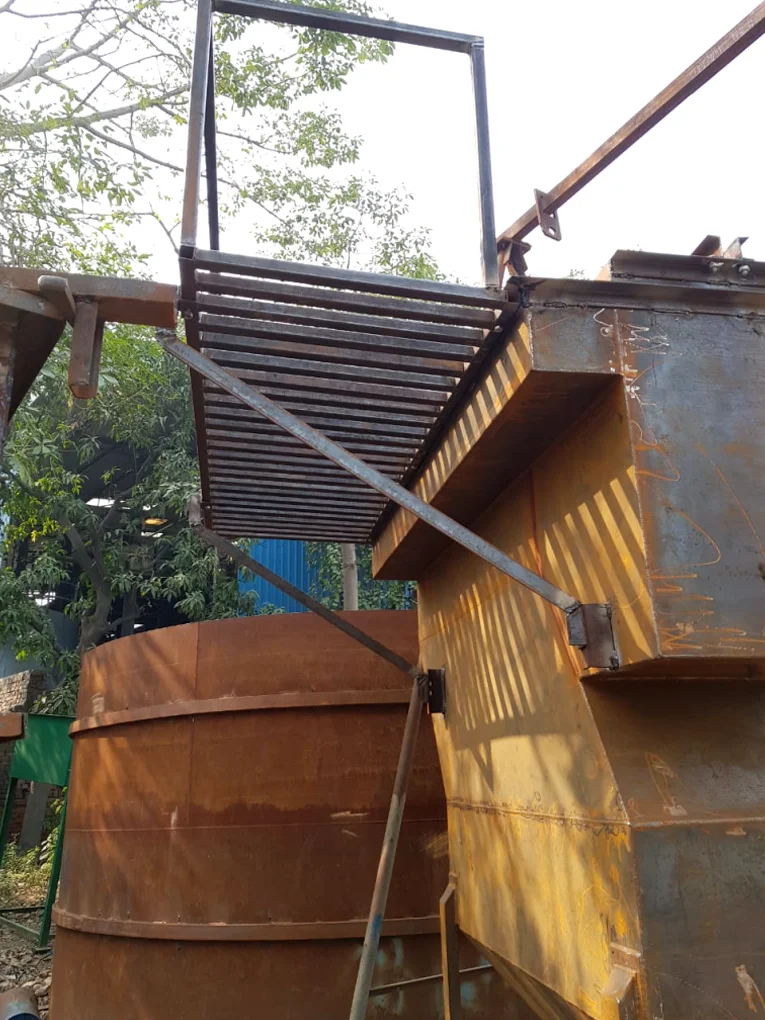
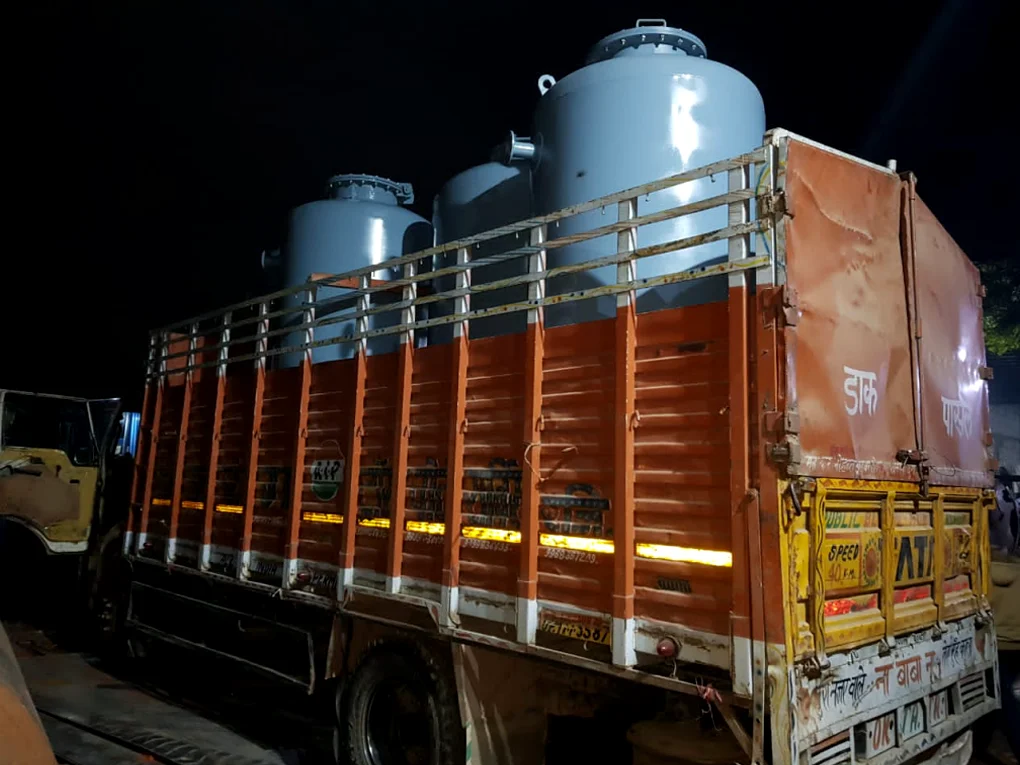
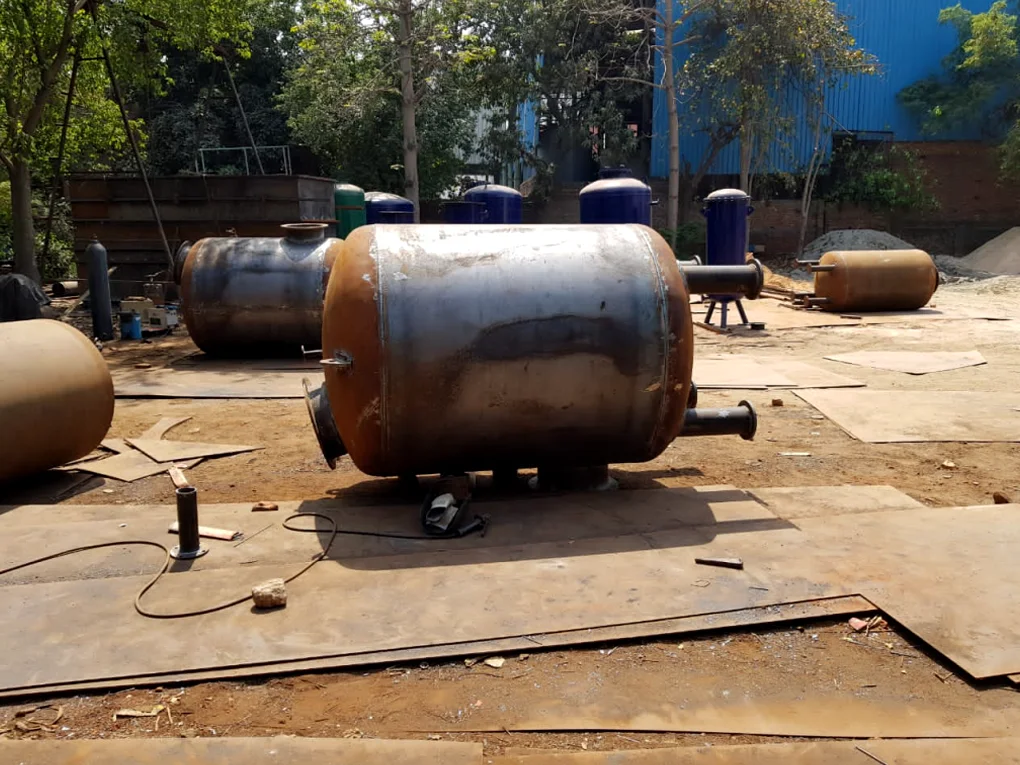
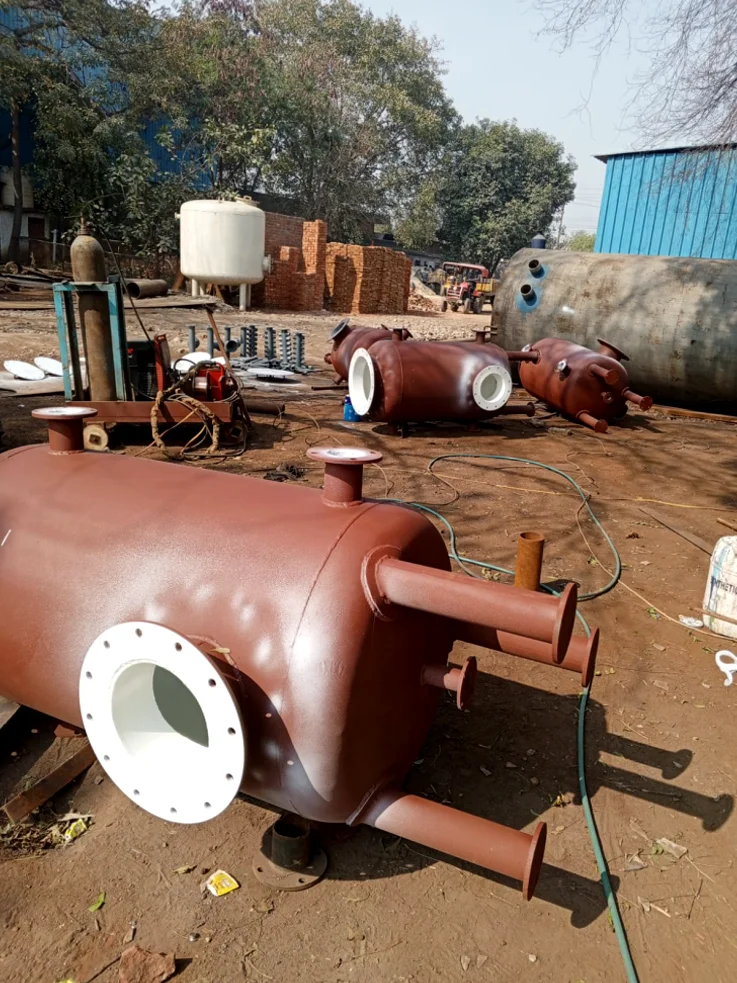
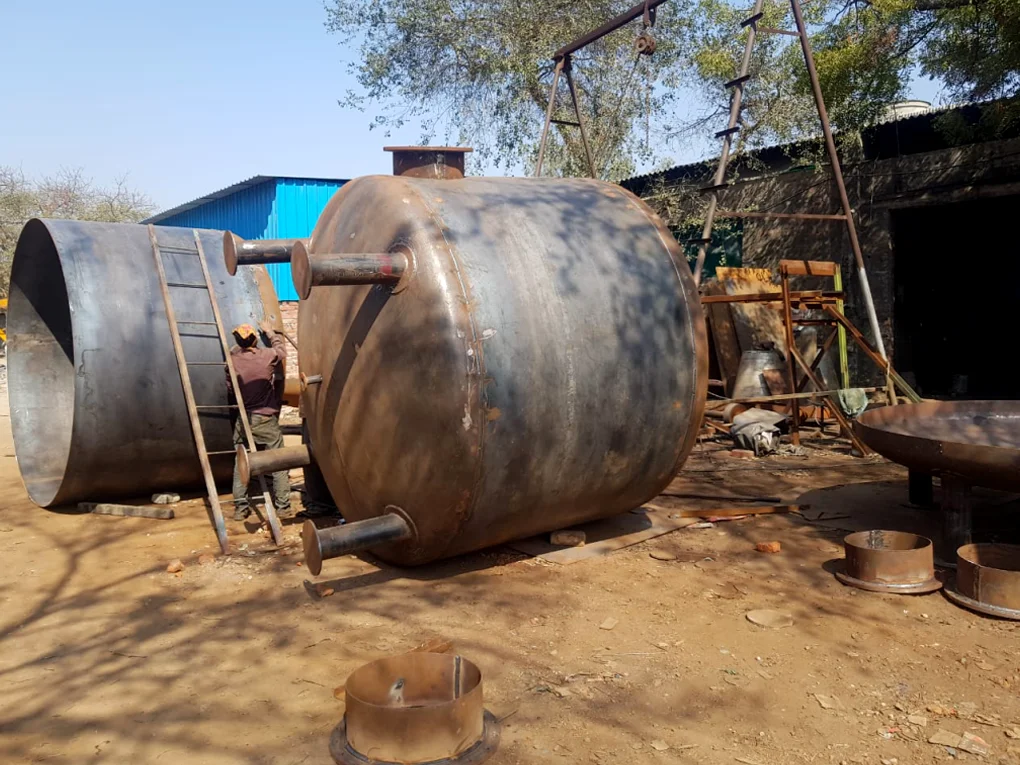
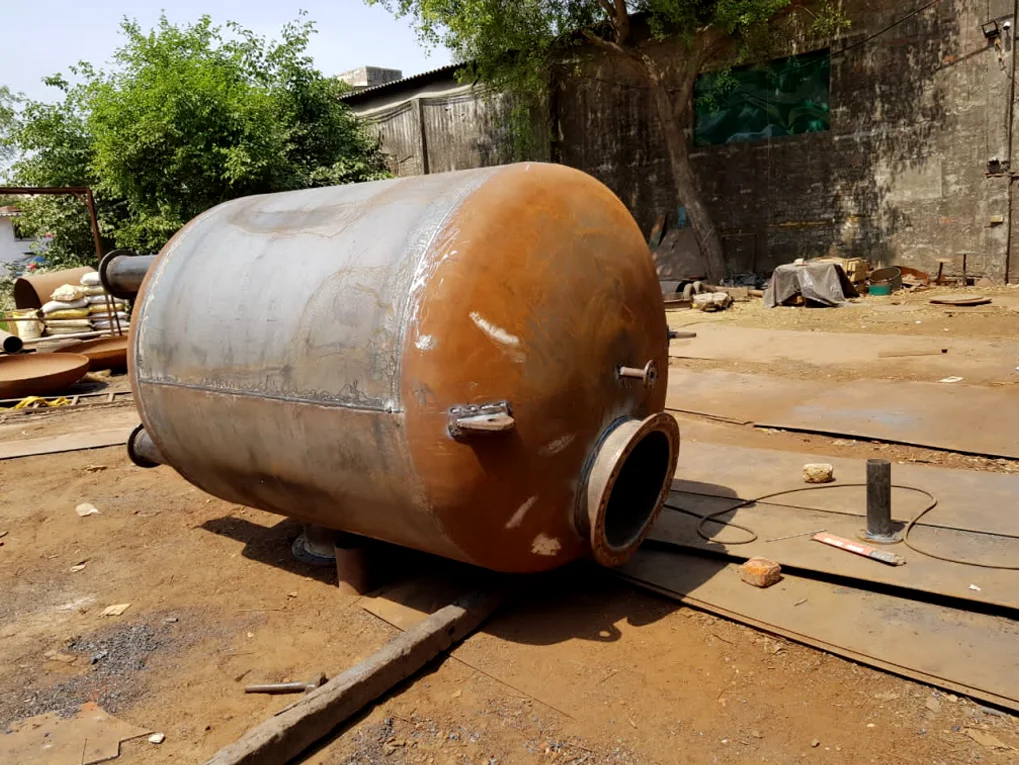
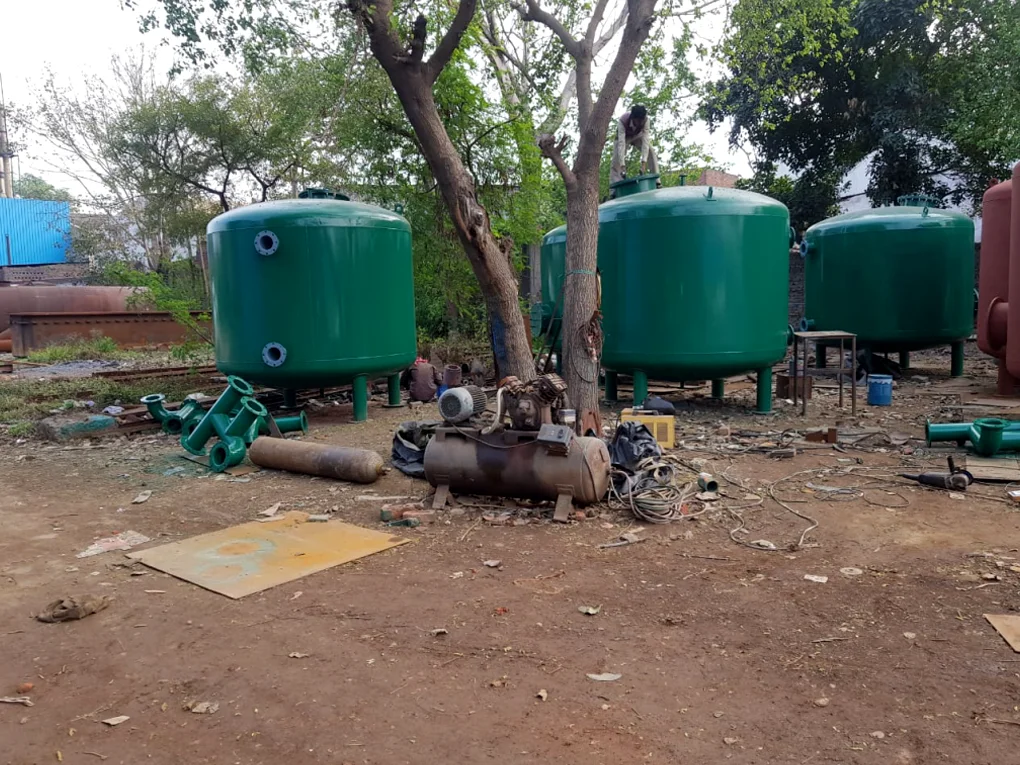
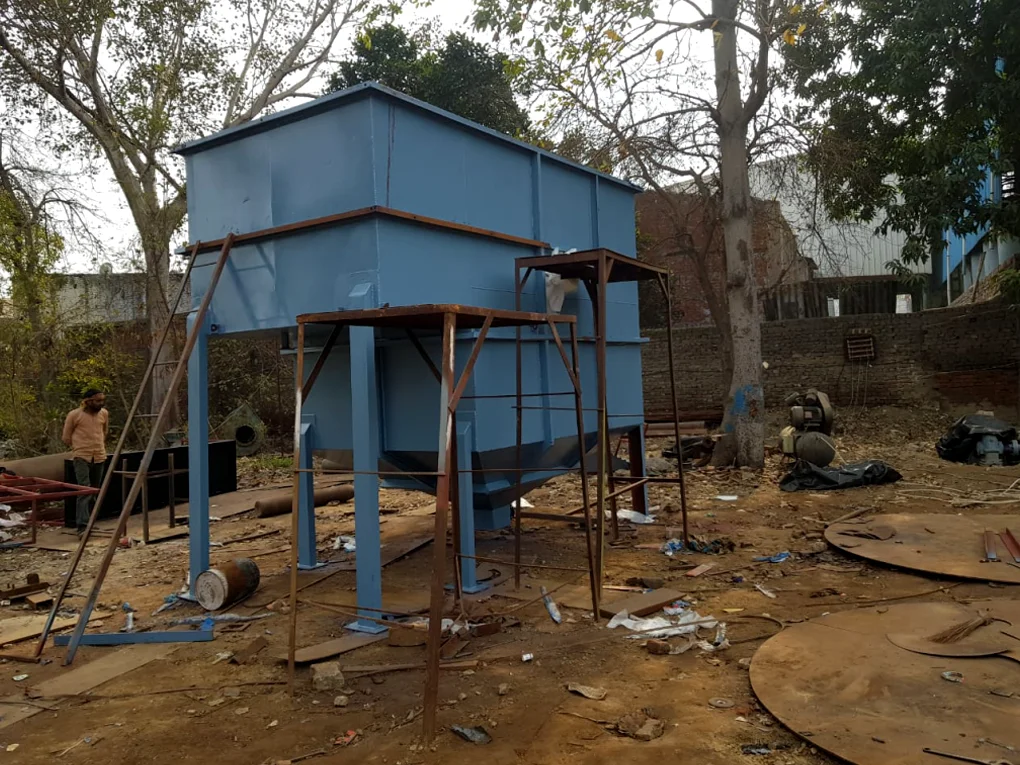
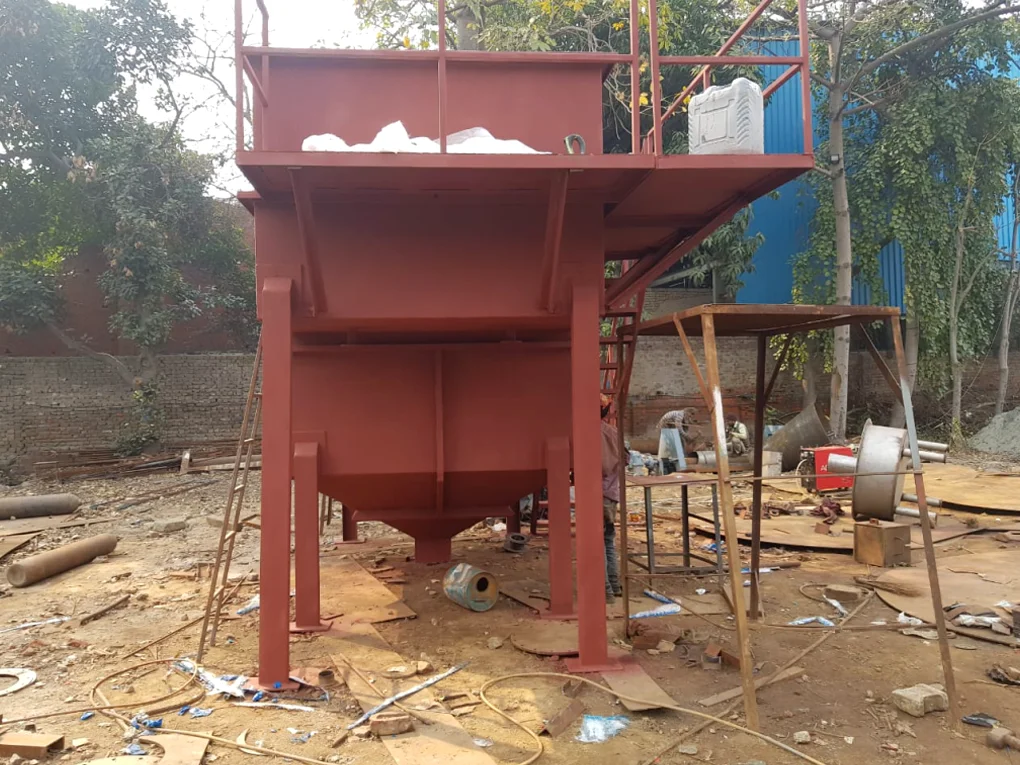
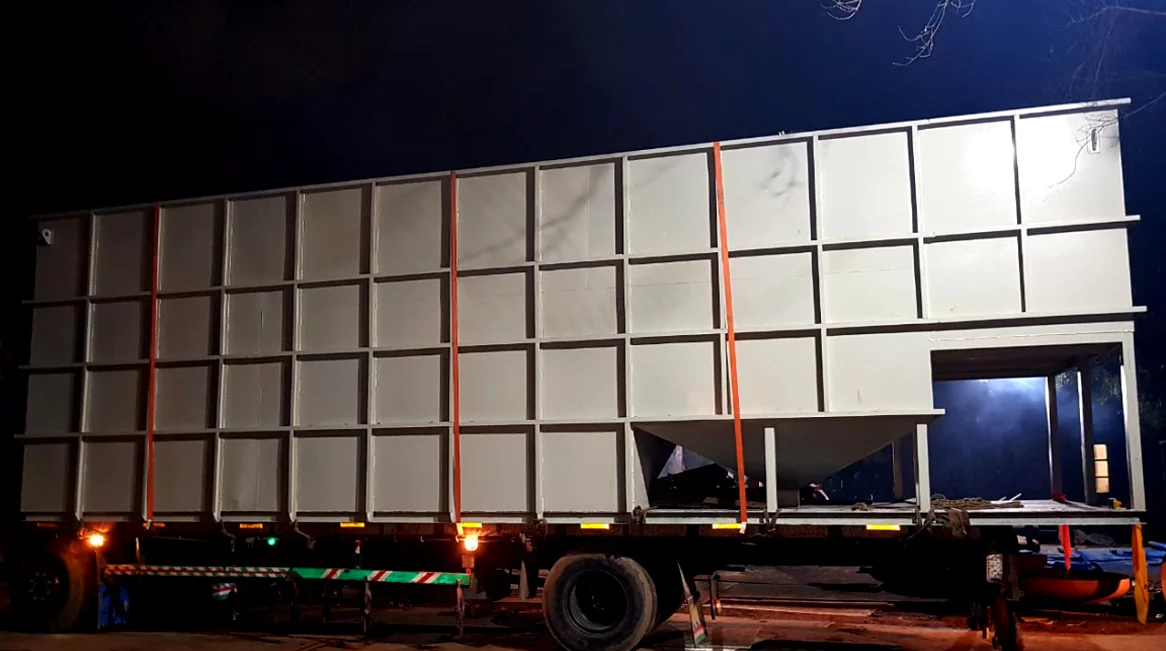
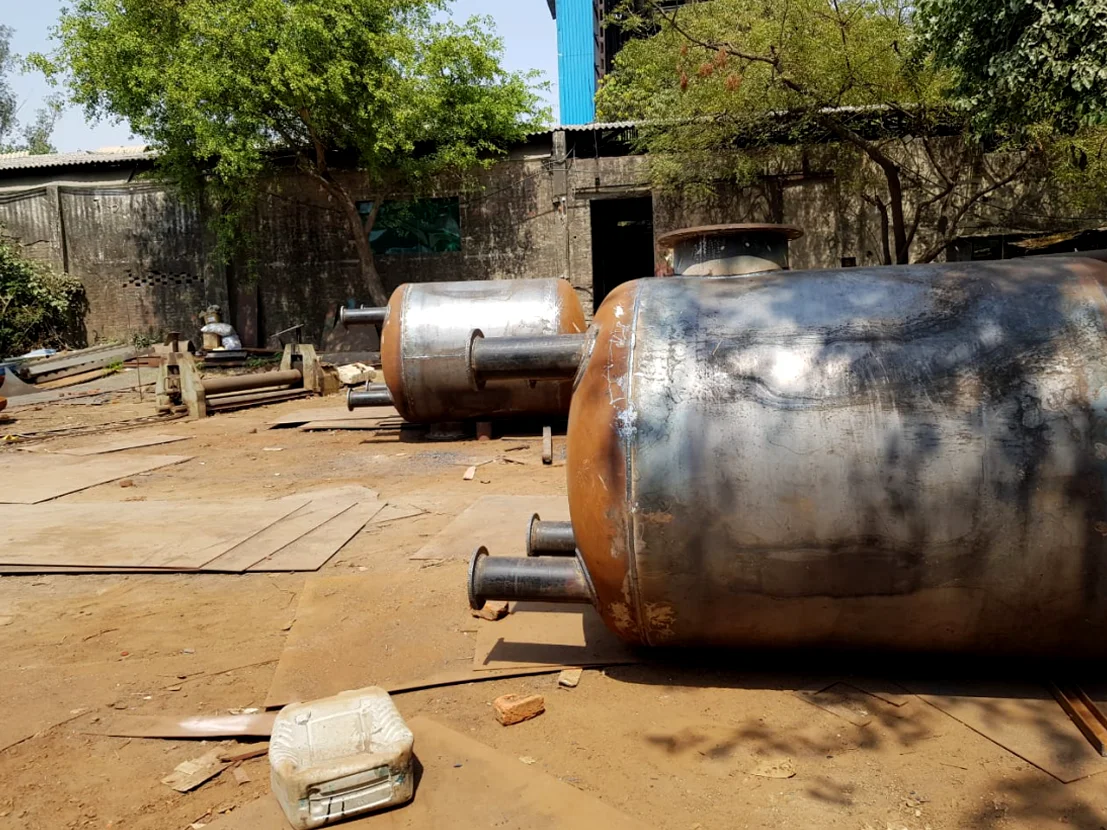
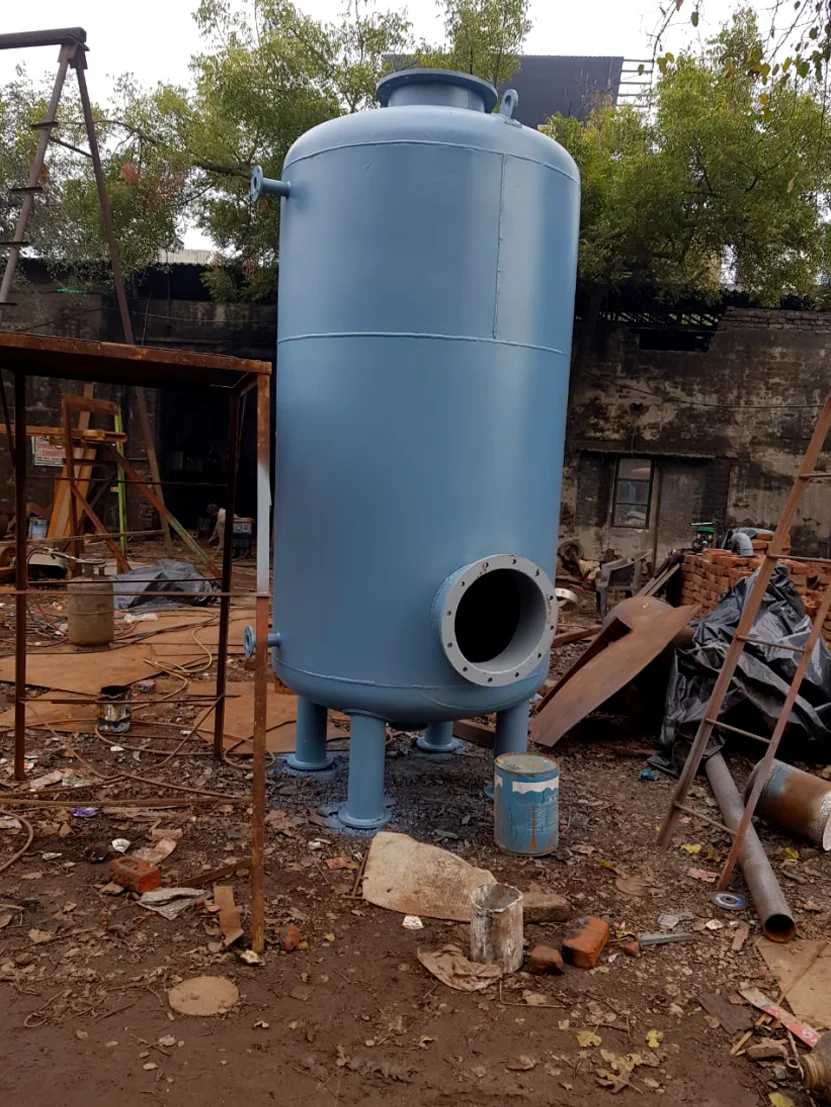
Watch real-time working, fabrication processes, and industrial applications of Heat Exchangers showcasing quality, precision, and performance.
Get expert consultation for high-quality heat exchangers manufacturing, custom solutions, and industrial project support.