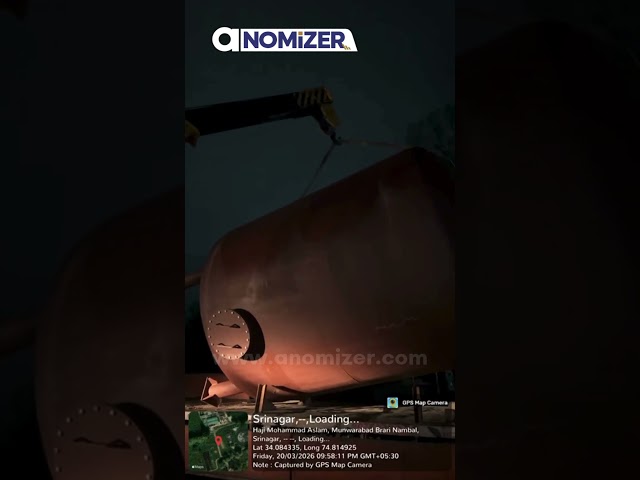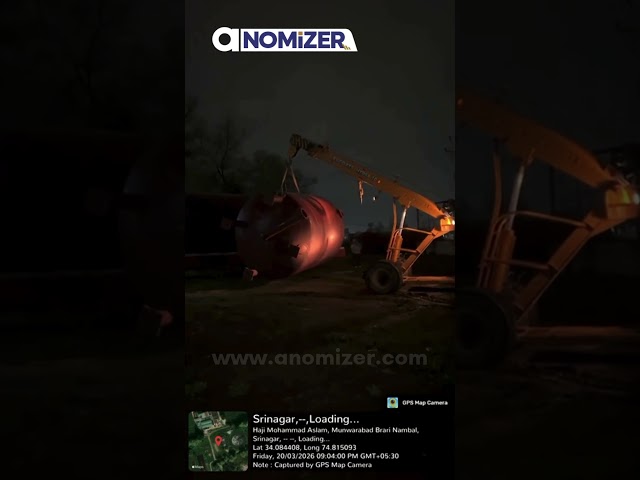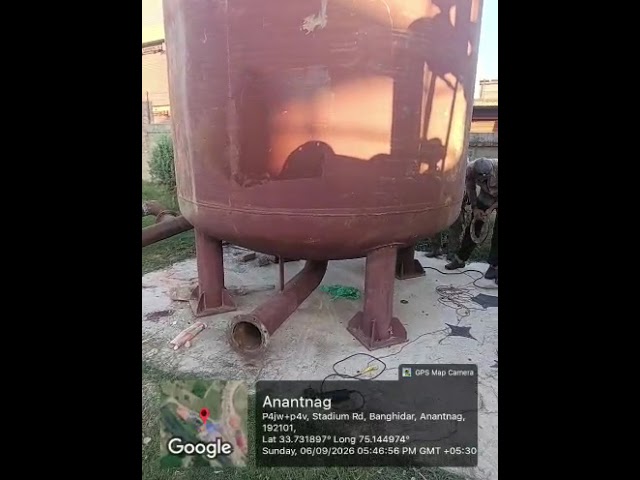





✔ Custom Manufacturing | ✔ PAN India Supply | ✔ 20+ Years Experience
Anomizer is a leading pressure vessels manufacturer in India offering high-performance industrial pressure vessels designed for durability, safety, and efficient operation across multiple industries.
The top Pressure Vessels Manufacturers in India create engineered storage facilities that are suitable for a variety of applications and are constructed to withstand the rigors of the industry. The manufacturing process of pressure vessels conforms to national and international standards for pressure vessels to ensure that the structure maintains its integrity during operation and provides a safe working environment, while ensuring that it provides the same level of operational safety over a long period of time.
Whether the application is for chemical processing, power generation, or compressed gas or air storage, each manufacturer provides a custom experience from design to precision welding to rigorous testing, including hydrostatic testing and non-destructive testing (NDT). The end result is a pressure vessel that performs in accordance with both the codes that govern them, as well as provides reliable performance throughout the operational life of the vessel, and supports safe, efficient industrial operations across various industries.
Manufacturing Highlights
To select the appropriate type of pressure vessel for your business, you need to know what pressure vessels are. They are enclosed containers that contain either liquid or gas under very high pressures (where the internal pressure is higher than atmospheric pressure).
The vessels are designed with the capability of safely holding materials without failure, leakage, or deformation during load conditions. An ASME Pressure Vessel is constructed in line with accepted engineering standards in order to provide structural safety, whereas a Custom Pressure Vessel is built in line with operational and capacity needs.
Industrial vessels contain internal pressure while maintaining structural integrity through the proper calculation of the thickness of the walls and the reinforcements designed to hold the walls together. Adequate design to prevent concentration of stress will also allow for the safe use of an industrial vessel under continuous operating conditions.
Pressure Vessel Suppliers in India are an important part of how buyers do their business and obtain equipment/material support. Using a qualified supplier will limit the amount of time spent obtaining equipment as well as reduce possible issues relating to overall project timelines. Suppliers coordinate with fabrication units to ensure compliance with project specifications and testing documentation before dispatch.
Many of the buyers in industrial manufacturing look to receive complete pressure vessel tank systems that meet the specified requirements for both storage and process applications. Suppliers have already verified that their vessels to meet all design criteria, including corrosion allowance and nozzle configurations, prior to delivery of the finished product, thereby reducing any challenges associated with installation and facilitating safe commissioning.
| Parameter | Specification |
|---|---|
| Company | Anomizer |
| Material | SS304 / SS316L / Carbon Steel (as per process compatibility) |
| Design Pressure | As per the application requirement (including vacuum conditions) |
| Design Temperature | As per the process requirement |
| Diameter Range | As per the project specification |
| Shell Thickness | Design dependent on pressure and temperature parameters |
| Orientation | Vertical / Horizontal (as required) |
| Design Code | As per applicable industrial pressure vessel standards |
| Testing | Hydro Test / NDT as per relevant standards |
| Customization | Reinforcement design, flange configuration, nozzle layout, and insulation provision |
Industries with urgent operational needs often depend on market availability. Pressure Vessels Traders in India maintain standard models and coordinate with manufacturers to verify structural specifications before delivery. Traders concentrate on sourcing products quickly and reliably.
The most common type of vessel used by a variety of different trades and industries is stainless steel vessels. They are chosen in many instances because they have corrosion resistance and also meet hygiene standards. The traders ensure the vessels they provide meet industrial quality standards and can provide all necessary material certifications for compliance purposes.
The type of material being used to manufacture a pressure vessel affects both the way the final product functions and how long it lasts. Mild Steel Pressure Vessels are commonly used in industrial environments where cost should be a factor, along with moderate pressure.
In areas that are likely to see many incidents of corrosion, though, Stainless Steel or alloy grade Pressure Vessels would be the preferred choice of construction material selection. Before being used, the proper certification of materials can be evaluated based on mechanical properties, resistance to corrosion, and compliance of the vessel with project standards.
Different industries require specific pressure vessels types depending on process design and installation space. Normally, classification of industrial vessels is based on the orientation of the vessel, the internal pressure level of the vessel, and the type of structural configuration. By using the proper type of vessel, you will be able to have a safe and compatible system, which will allow you to operate your entire facility safely.
Cylindrical vessels are the most commonly used vessel shape as it provides a more even distribution of stress when the vessel is subjected to internal pressure. In addition, the cylindrical shape adds more structural efficiency and minimizes the amount of material that is used for building the vessel when compared to using flat surfaces.
Detailed technical calculations and documentation should support any engineering activity. The Engineering Design for Pressure Vessels always begins with stress analysis, consideration of corrosion allowance, evaluation of nozzle load, analysis of reinforcement, and verification of the pressure rating to ensure a complete structural failure will not occur, and that the vessels will provide a safe and fit-for-purpose serviceable life expectancy as a function of expected industrial usage.
Professionally fabricated Pressure Vessels are manufactured to strict industry standards. These include cutting plate with precision, controlled rolling, certified welding, edge preparation, and dimensional inspection. By following a structured fabrication process, not only can you expect the correct alignment, but you can also expect the welds to be of the required quality and that both will meet the specifications as per engineered drawings, quality standards, and regulatory safety requirements.
This inspection of the quality of all vessels before delivery is vital to the structural integrity and functional safety. Hydrostatic testing is also done to ensure that the vessel is able to withstand the defined internal pressure without leaking or deforming. Industrial Pressure Vessel Manufacturers adhere to these procedures to ensure that the performance and safety standards are met.
For filtration and separation purposes, filter vessels require additional inspection processes to ensure that they meet the performance criteria established by the original equipment manufacturer. The inspection procedures performed on filter vessels are executed according to the documented Inspection and Test Plans (ITPs) and are performed to ensure that the filter vessels will perform as specified and comply with the respective industry standards.
EPC can provide a comprehensive set of services, including engineering design, procurement, and construction supervision, to ensure the effective execution of each project. The use of structured project management best practices can assist in maintaining schedules, controlling costs, mitigating risks, and ensuring quality compliance during the implementation of large-scale industrial projects.
An MS Vessel used as part of the installation comes with complete technical documentation that includes site execution coordination and operational performance verification to ensure that all of the milestones are met, to ensure compliance with regulatory requirements to provide safe operation, as well as to provide seamless integration with a large and complex industrial installation project.
There are many different functions for designing a Pressure Vessel, including storing chemicals, heating materials, and providing a controlled environment for the chemical reaction to occur. Because of this, the Advanced Pressure Vessel Fabrication Process and the Professional Pressure Vessel Fabrication Services are used to create these vessels. And designed based on the specific operating pressures, temperature, and mechanical loads, ensuring the best possible efficiency and reliability from the structure.
Specialized Chemical Pressure Vessels are made to safely store reactive and corrosive materials, and Mobile Pressure Vessels have been designed to be transported safely and provide flexibility in how they are used at the location where they are used. Spherical Vessel configurations can be designed to provide a more uniform distribution of stress for the application for which they are used. An Insulated Vessel has been created to maintain a consistent internal temperature and assist in maintaining the stability of the entire process.
When designing a Chemical Pressure Vessel, the selection of the appropriate lining of the inside of the vessel is critical to prevent degradation of the material used to construct the vessel and to maintain the structural integrity of the vessel for long-term operation in a chemical processing environment.
Vessels are used throughout various industries based on their operational and process needs. These industries include Chemical, Pharmaceutical, Oil & Gas, Mining, Fertilizer, Food Processing, and Power Generation. All use certified pressure equipment to provide safe and efficient operations and comply with applicable regulations.
Anomizer specializes in designing and manufacturing custom pressure vessels for their customers based on the applicable compliance standards, temperature ranges, and pressure ratings of each industry. By utilising a custom-engineered approach, Anomizer is able to provide a reliable and safe structure for all industries to maintain long-term performance.
Anomizer follows a structured manufacturing process, a certified method of fabrication, and quality validation by inspections to ensure the performance of every vessel produced. Each project is developed under a clearly documented approach from the design approval through the manufacturing process, final inspection, and testing of the vessel.
Anomizer uses the same emphasis on compliance, safety, and reliability in each project. Their transparent documentation and technical consultation ensure that customers receive quality solutions tailored to their individual operational and compliance needs.
Get in Touch with Anomizer for Certified Pressure Vessels – Consultation and Quotation
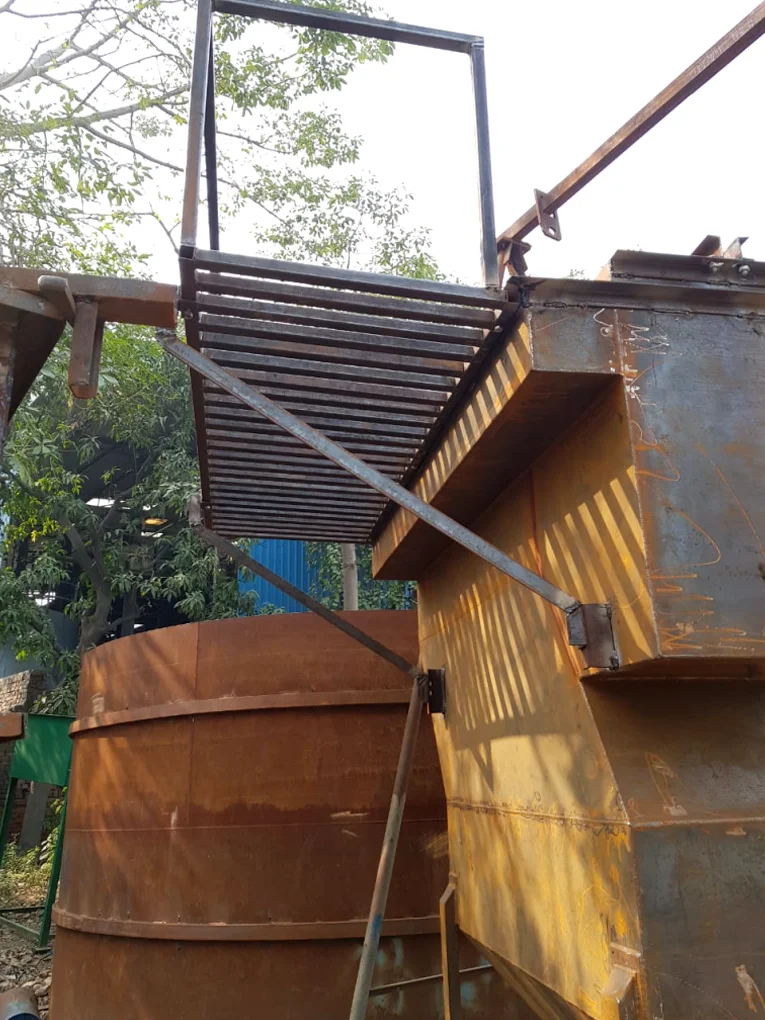
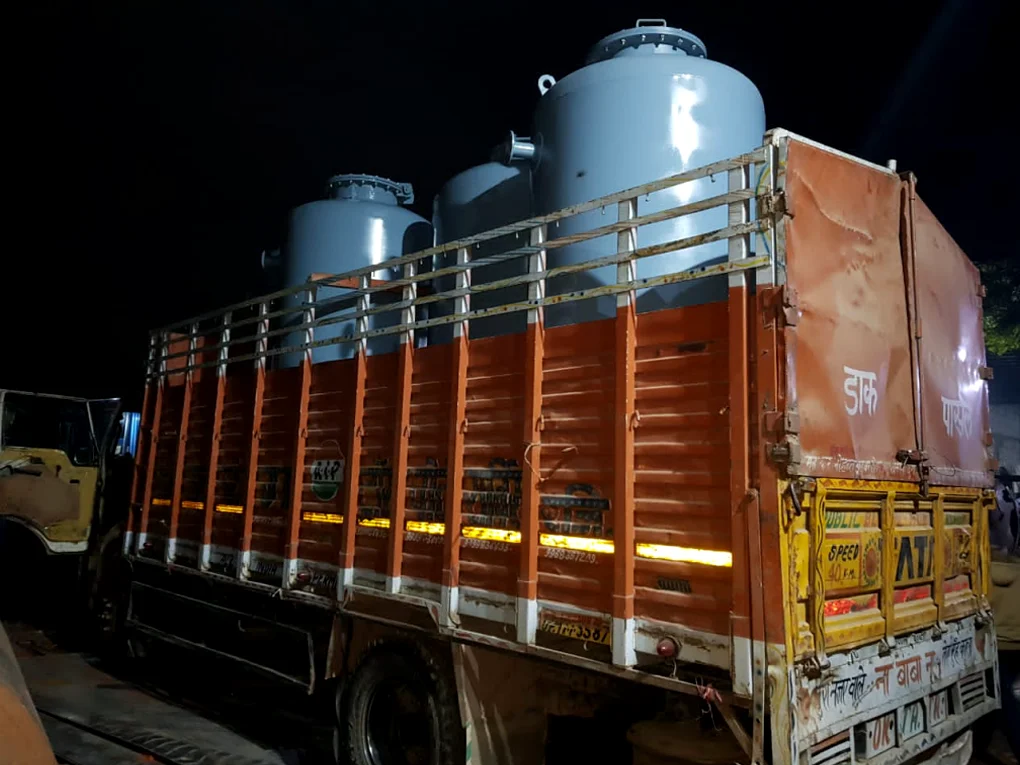
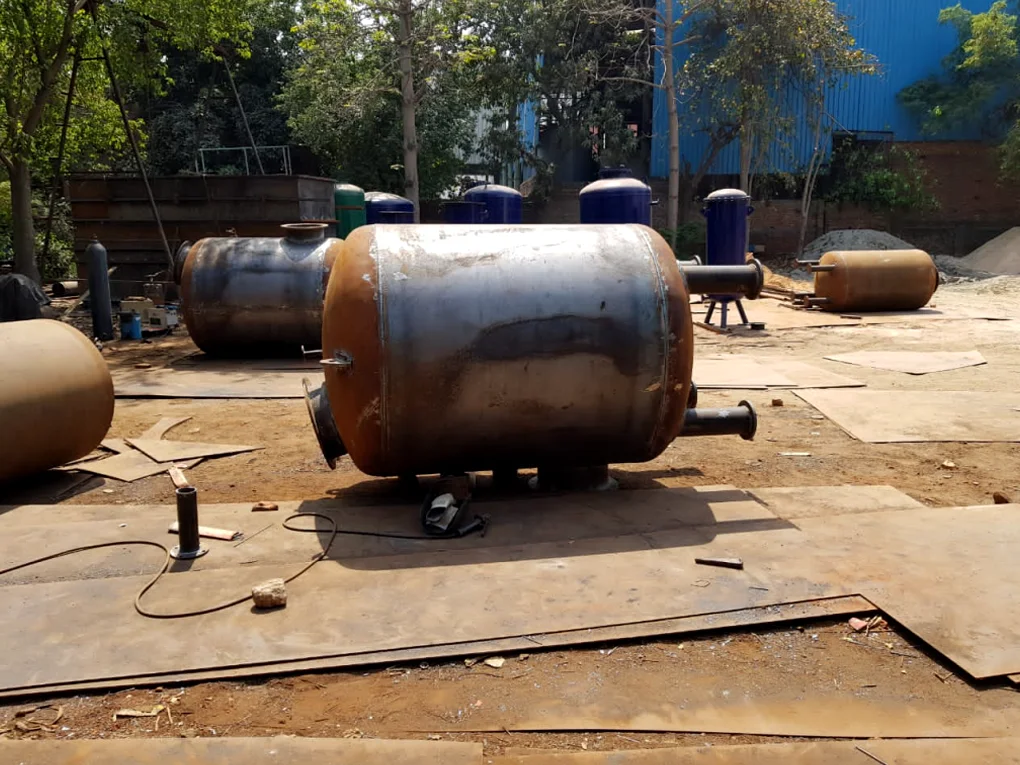
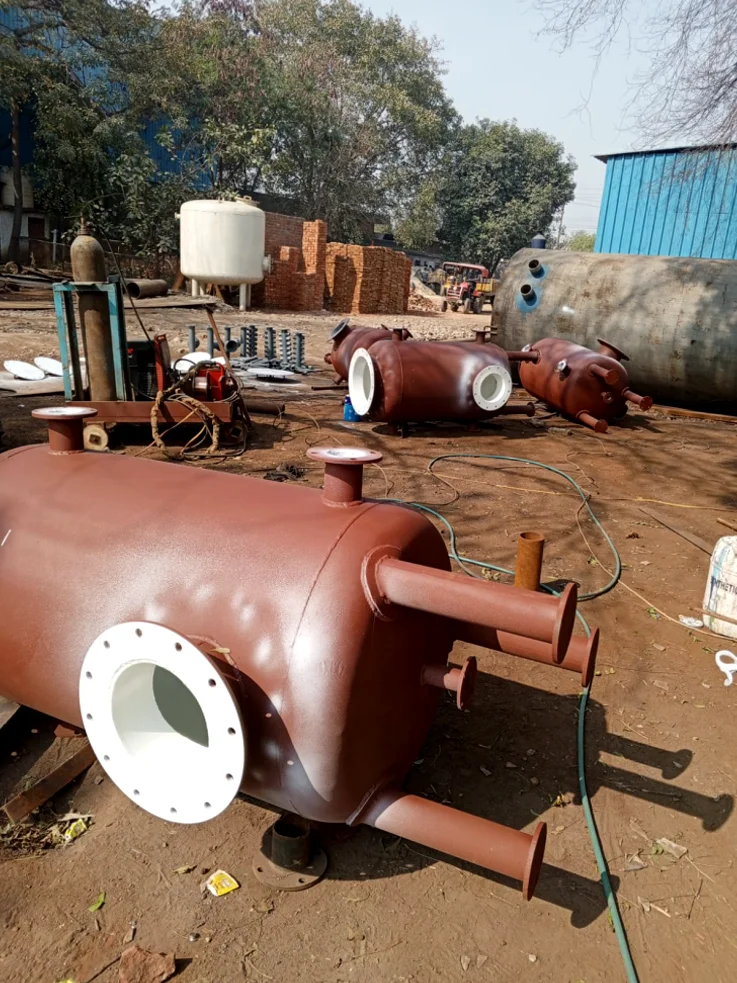
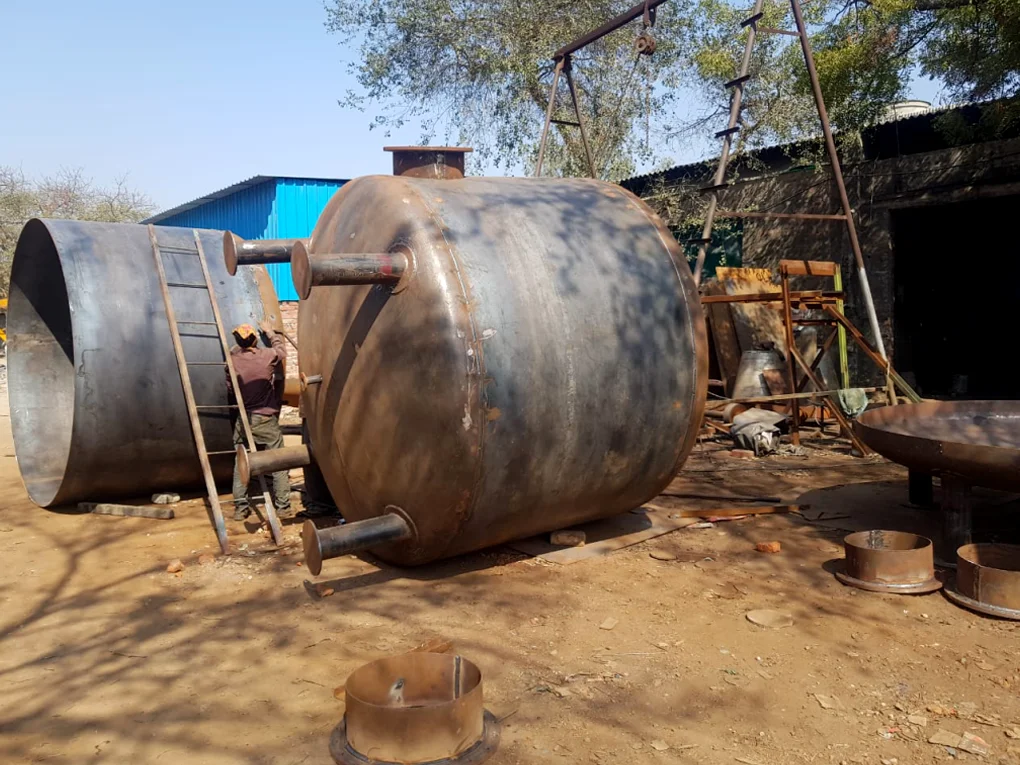
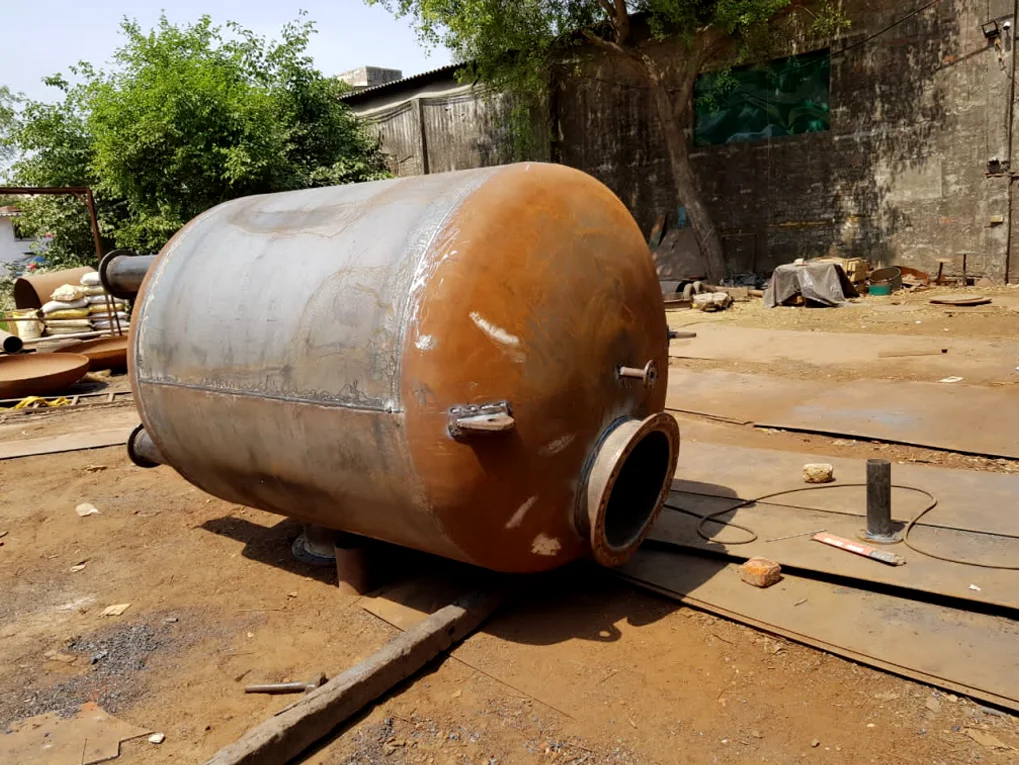
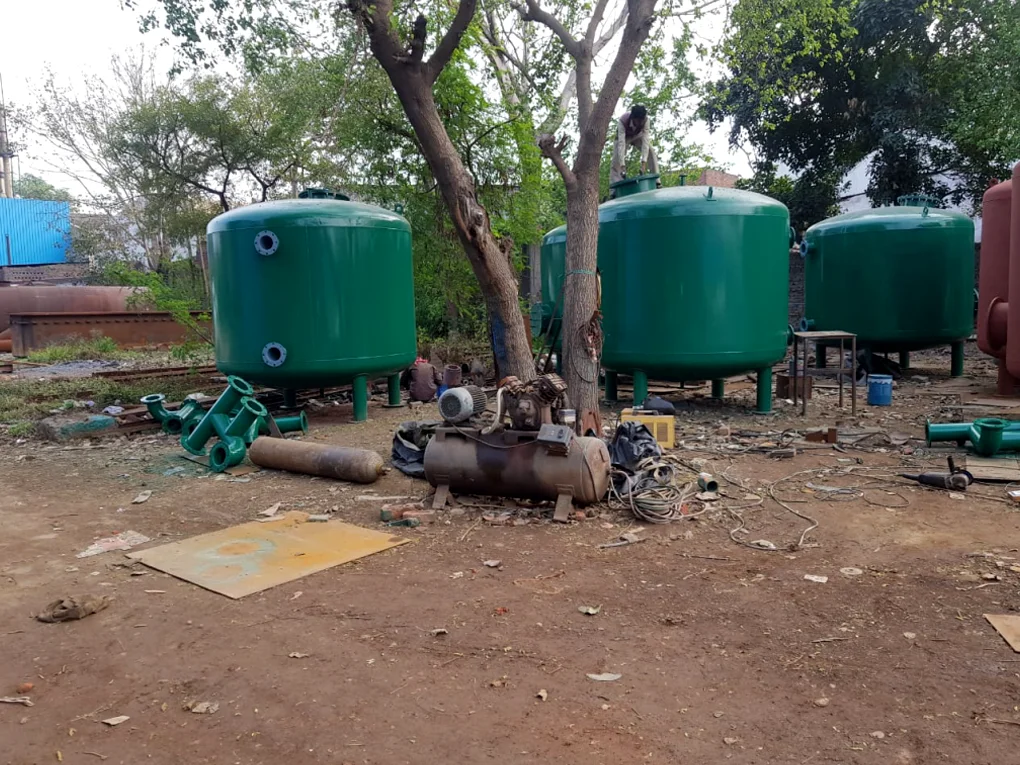
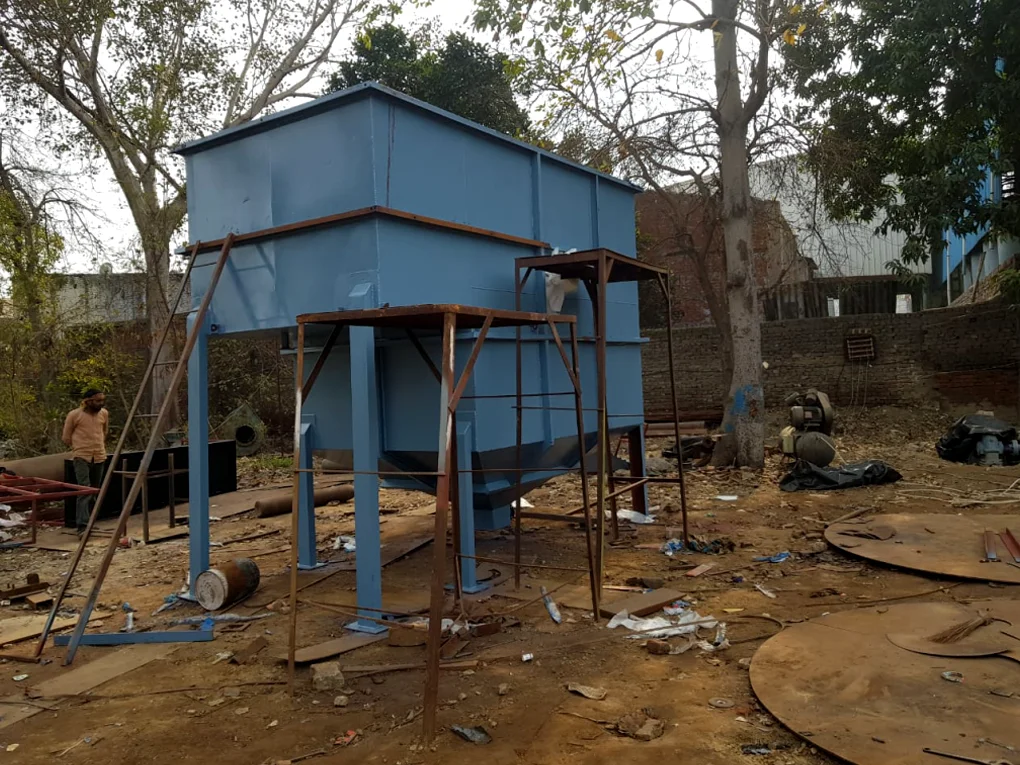
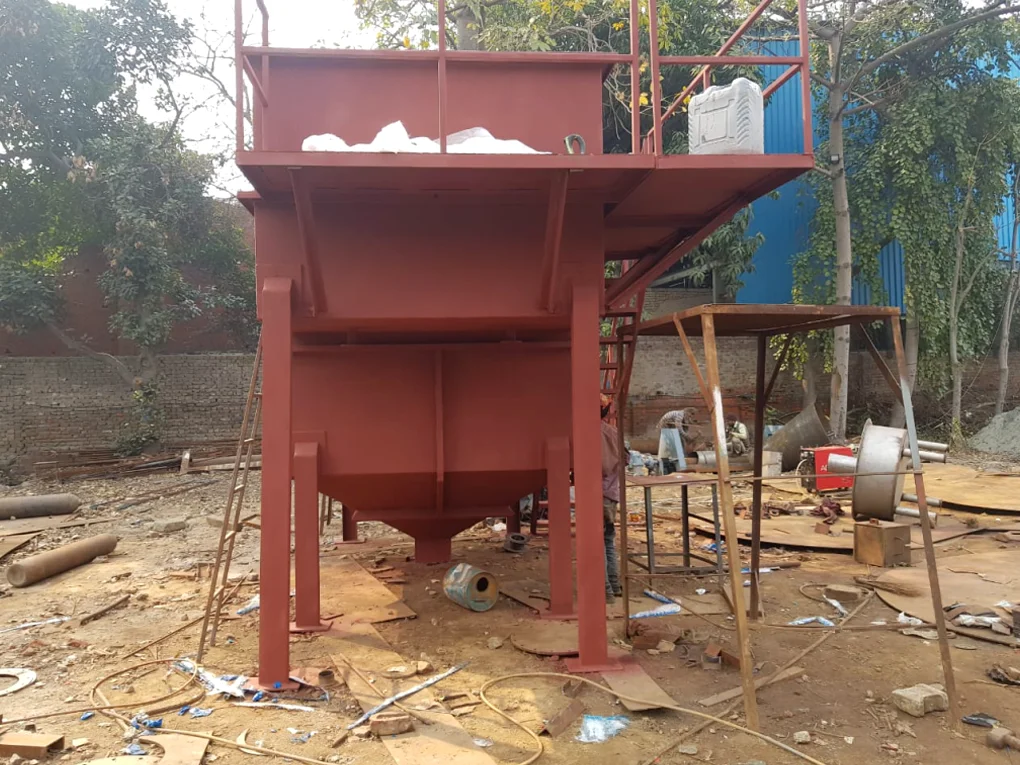
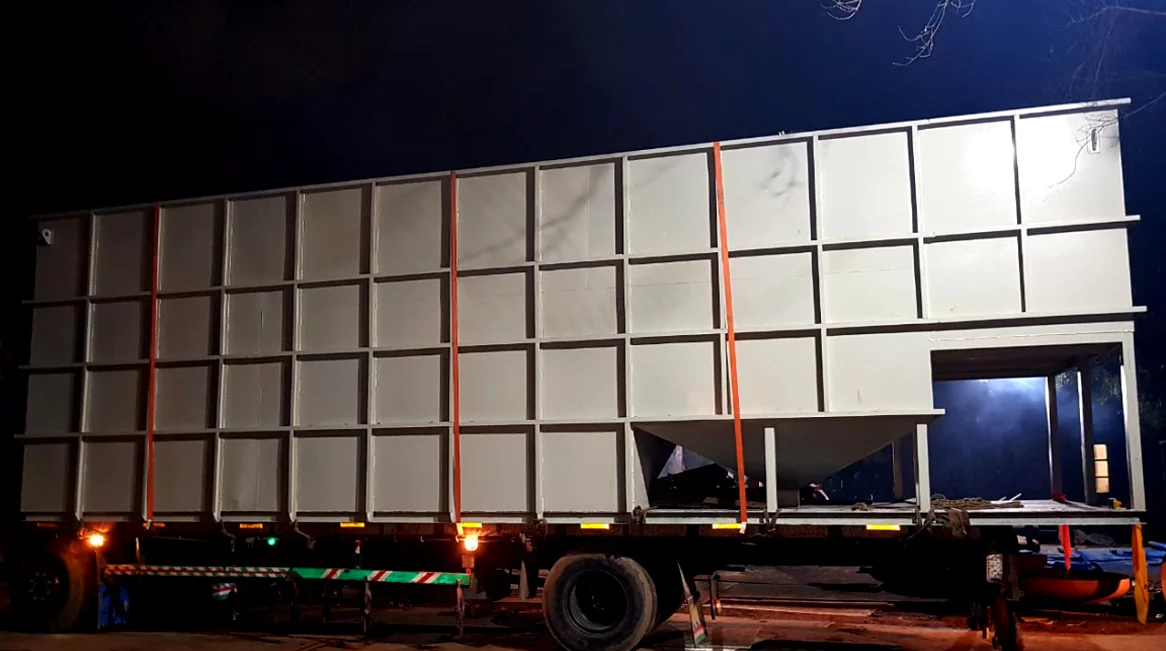
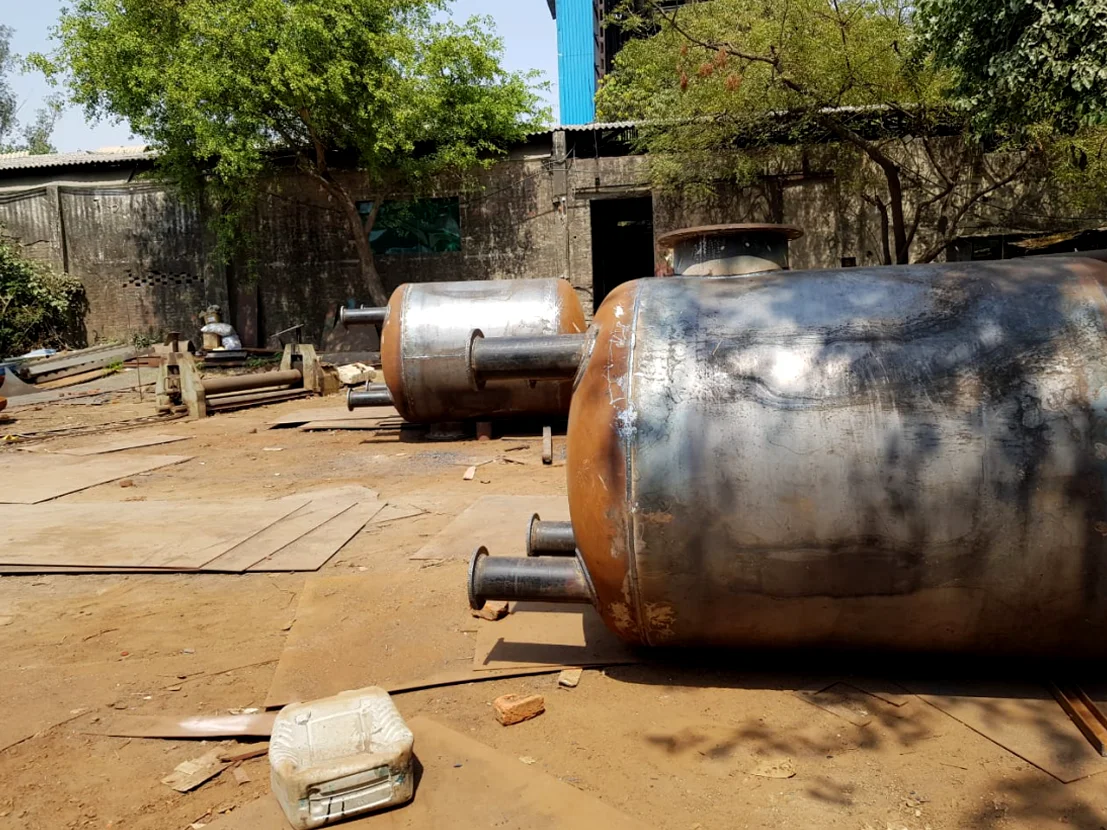
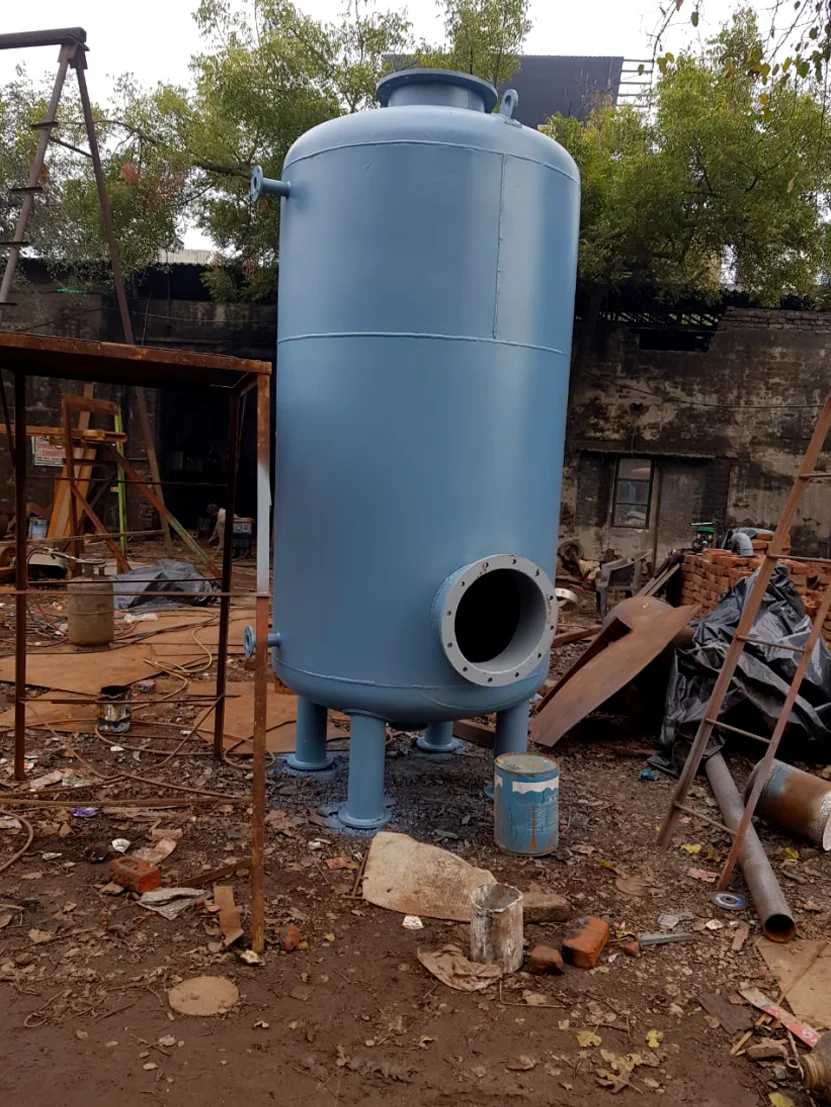
Watch real-time working, fabrication processes, and industrial applications of Pressure Vessels showcasing quality, precision, and performance.
Get expert consultation for high-quality pressure vessels manufacturing, custom solutions, and industrial project support.