




✔ Custom Manufacturing | ✔ PAN India Supply | ✔ 20+ Years Experience
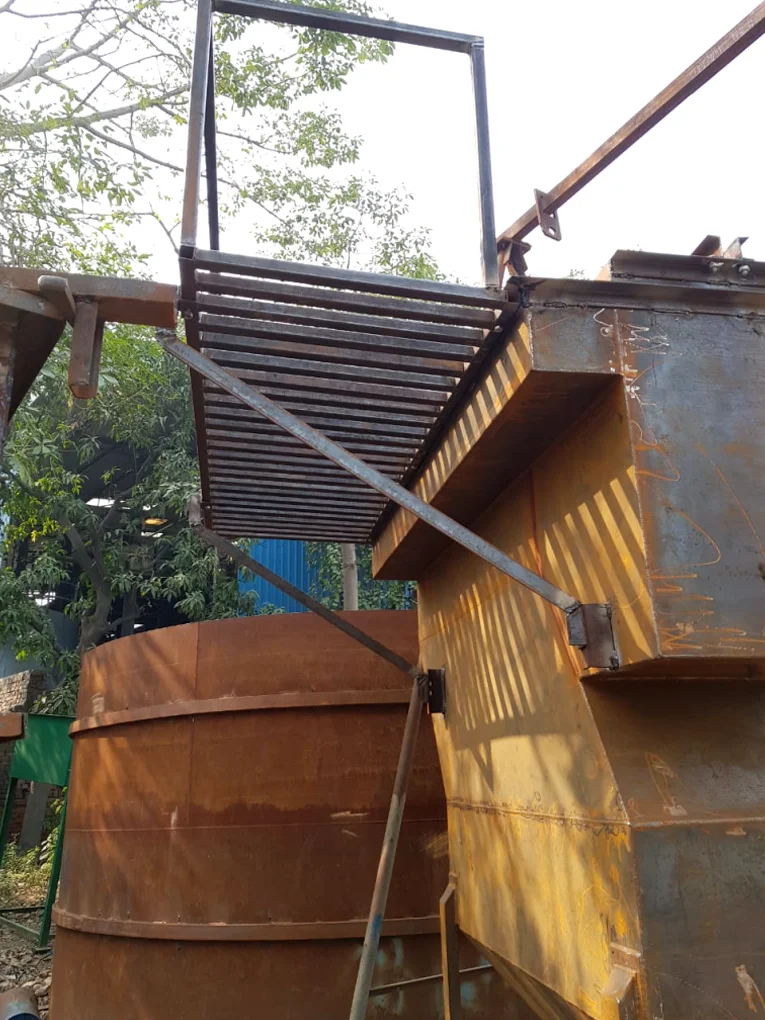
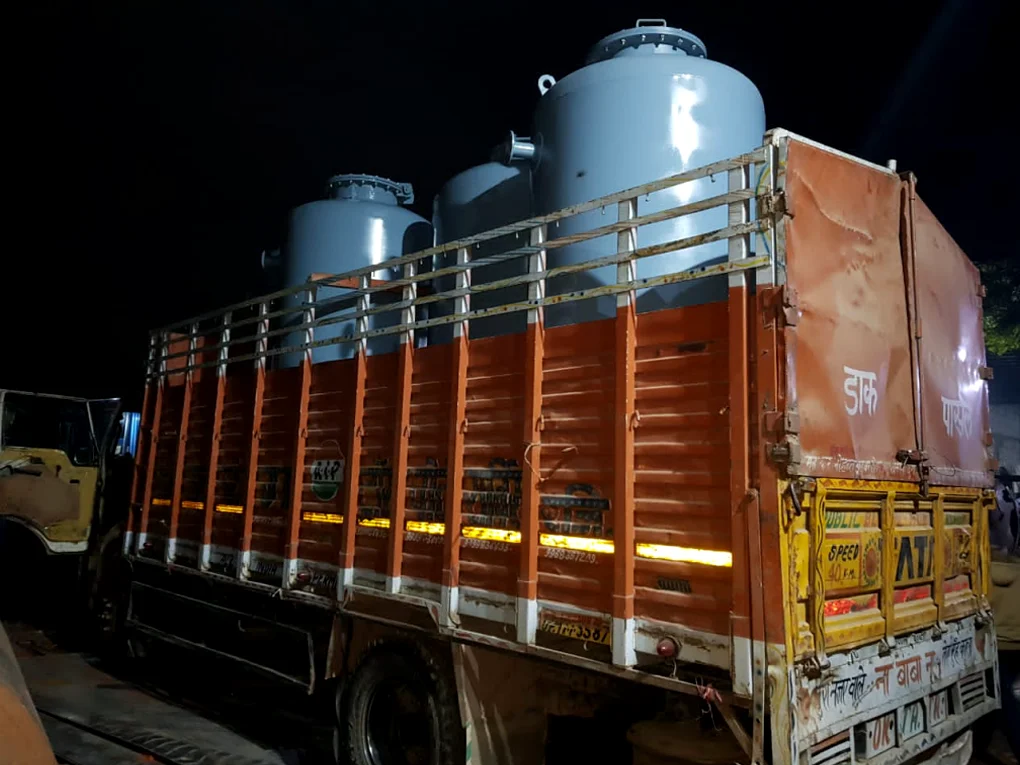
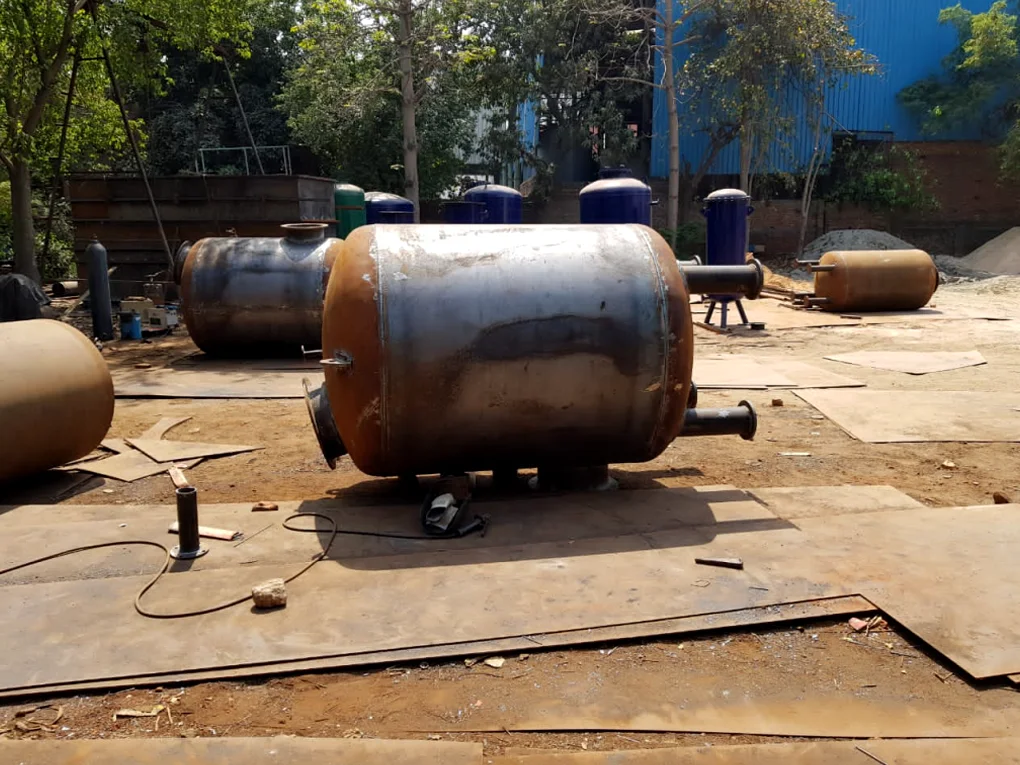
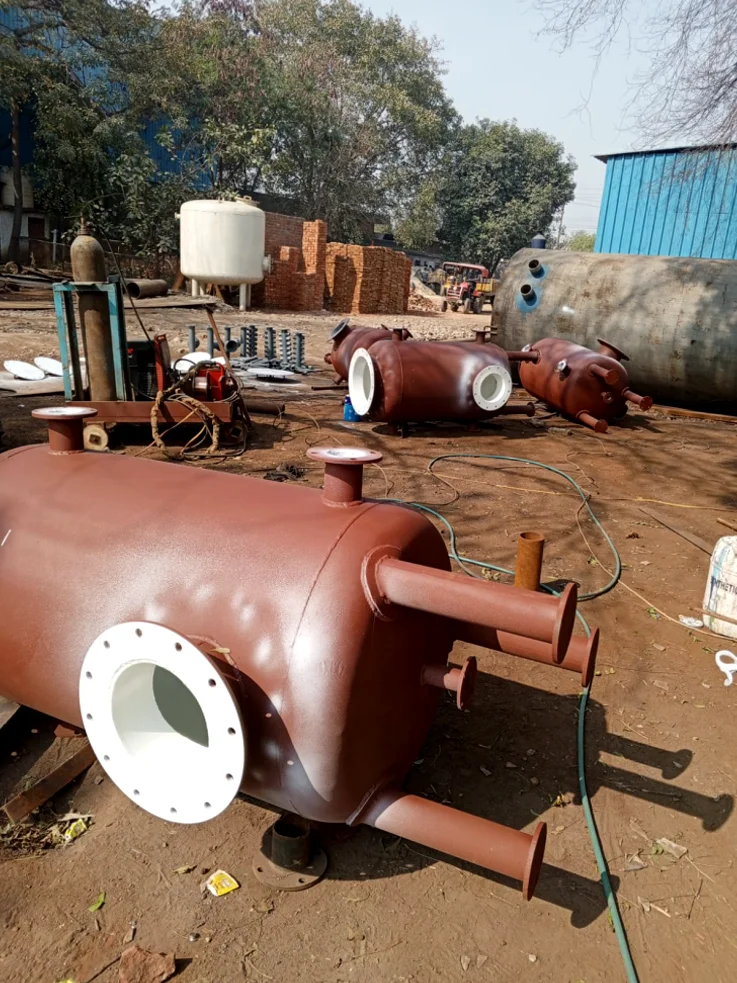
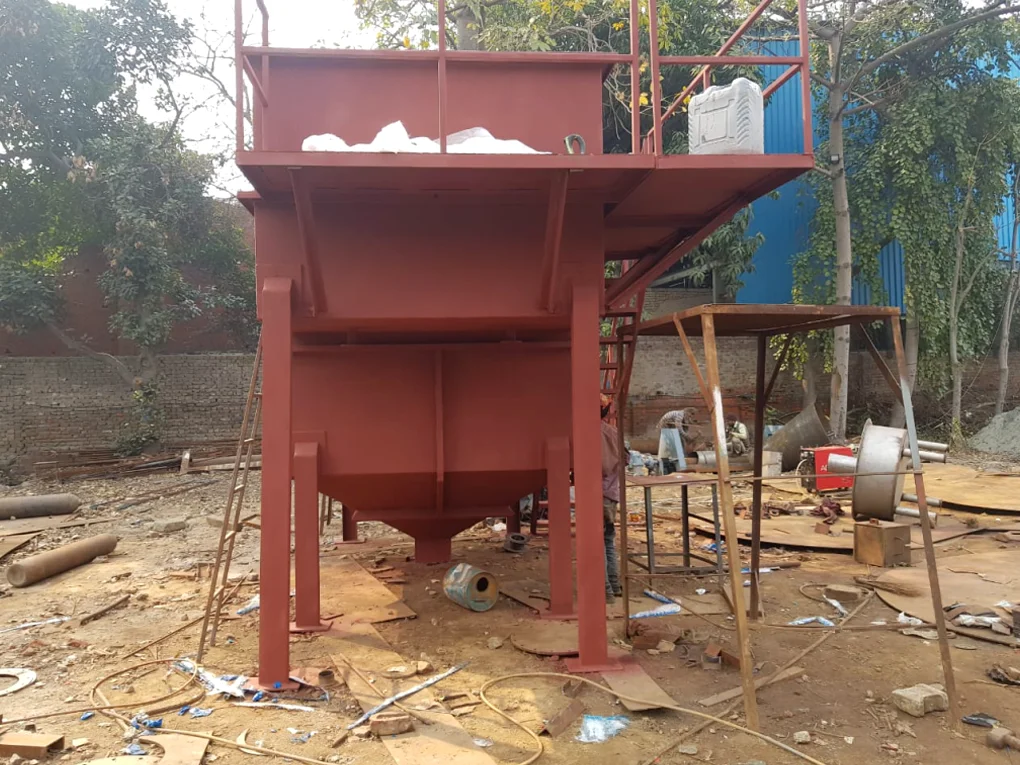
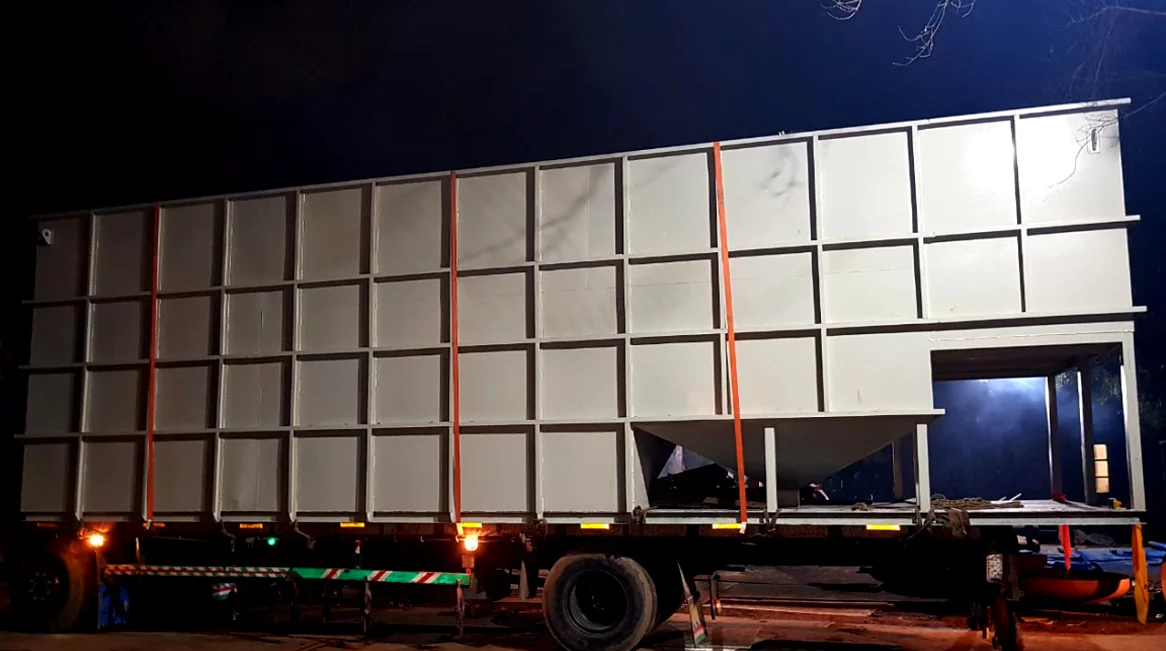
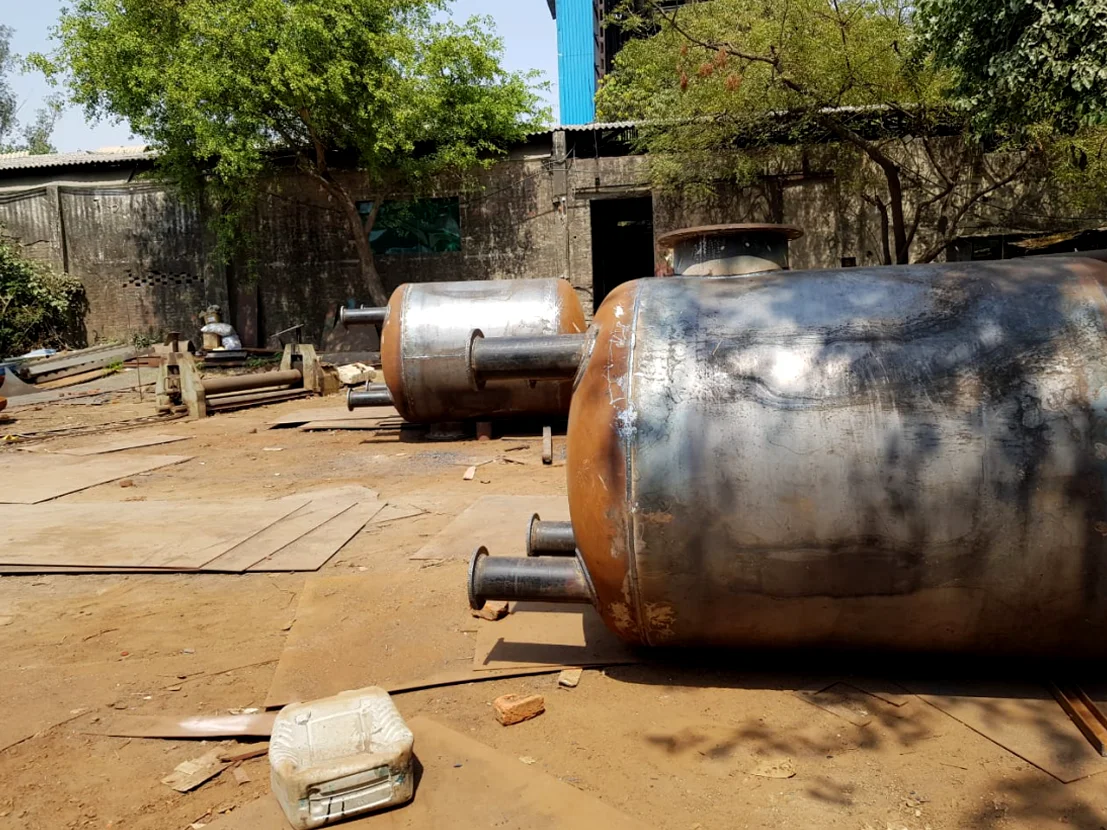
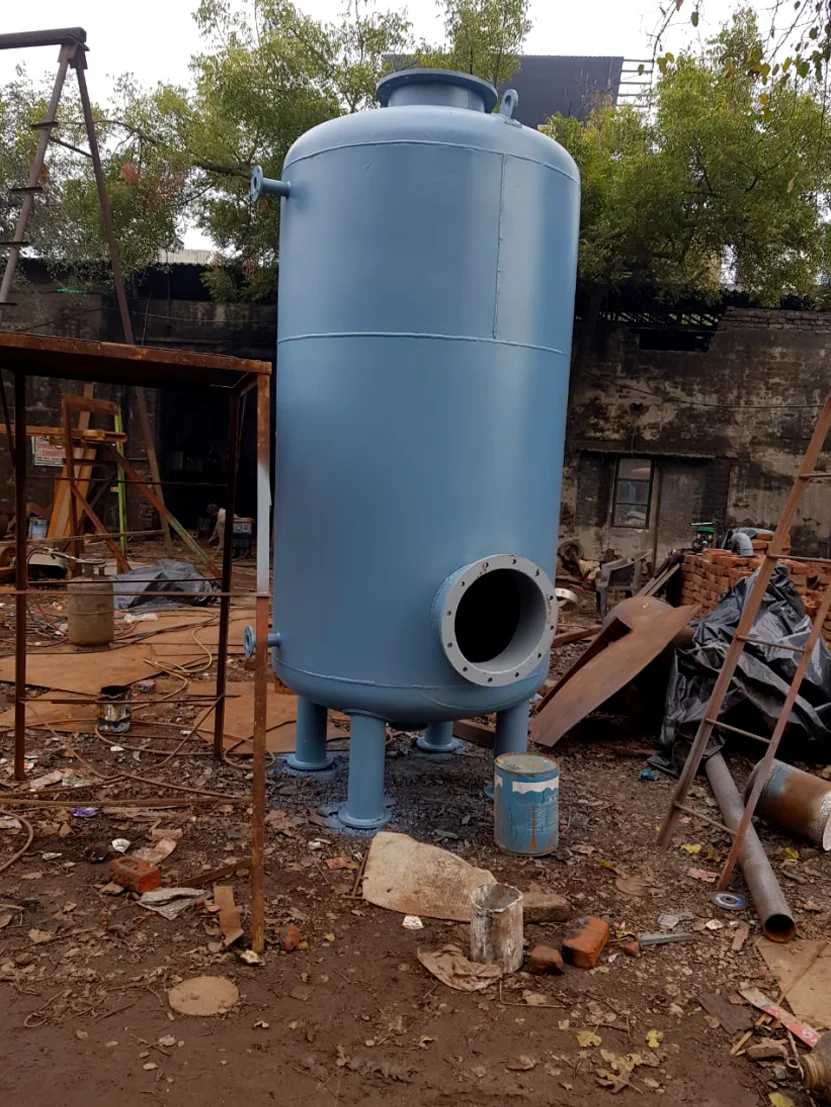
Anomizer is a leading liquid syrup manufacturing plant manufacturer in India offering high-performance industrial liquid syrup manufacturing plant designed for durability, safety, and efficient operation across multiple industries.
Syrup looks like the easy end of pharmaceutical manufacturing. It's liquid, it pours, and there are no tablets to compress. But anyone who has run a syrup line knows the problems: sugar that won't dissolve evenly, a batch that crystallizes in the bottle, a colour that shifts from one lot to the next. Most of these come down to the plant, not the formula.
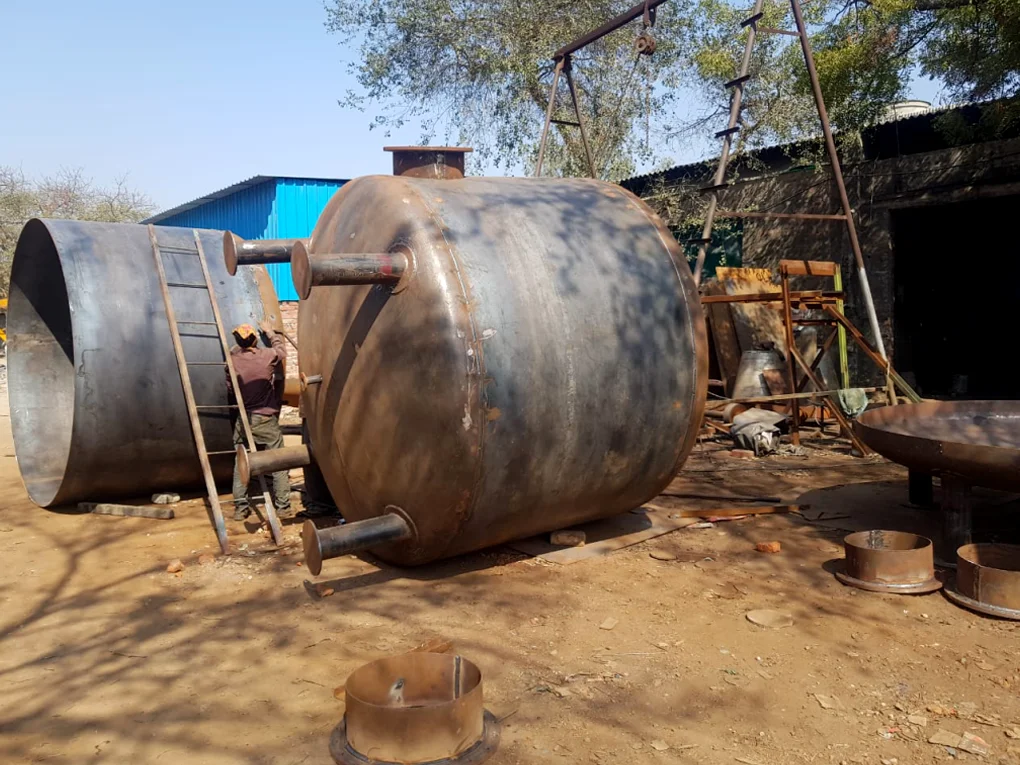
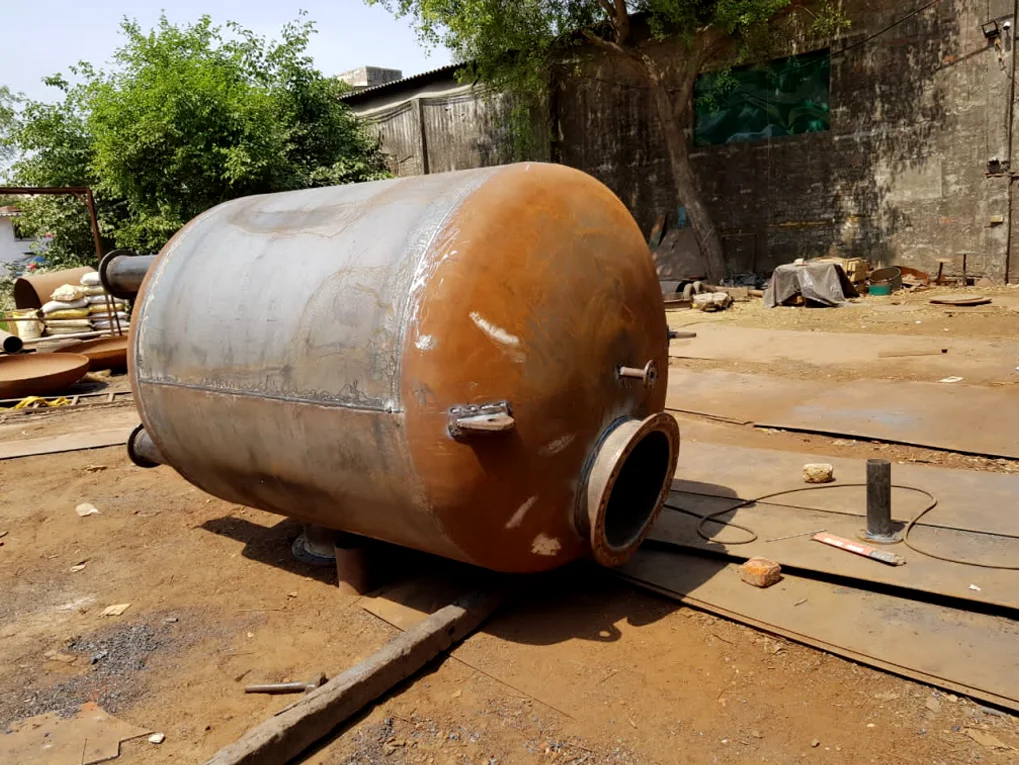
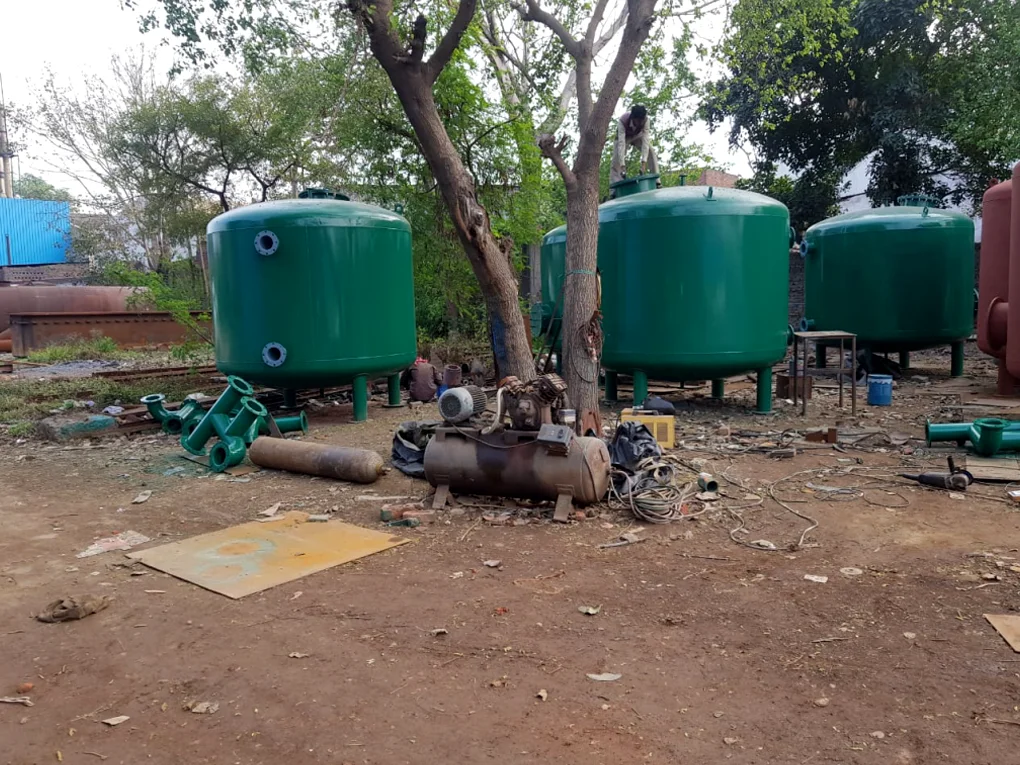
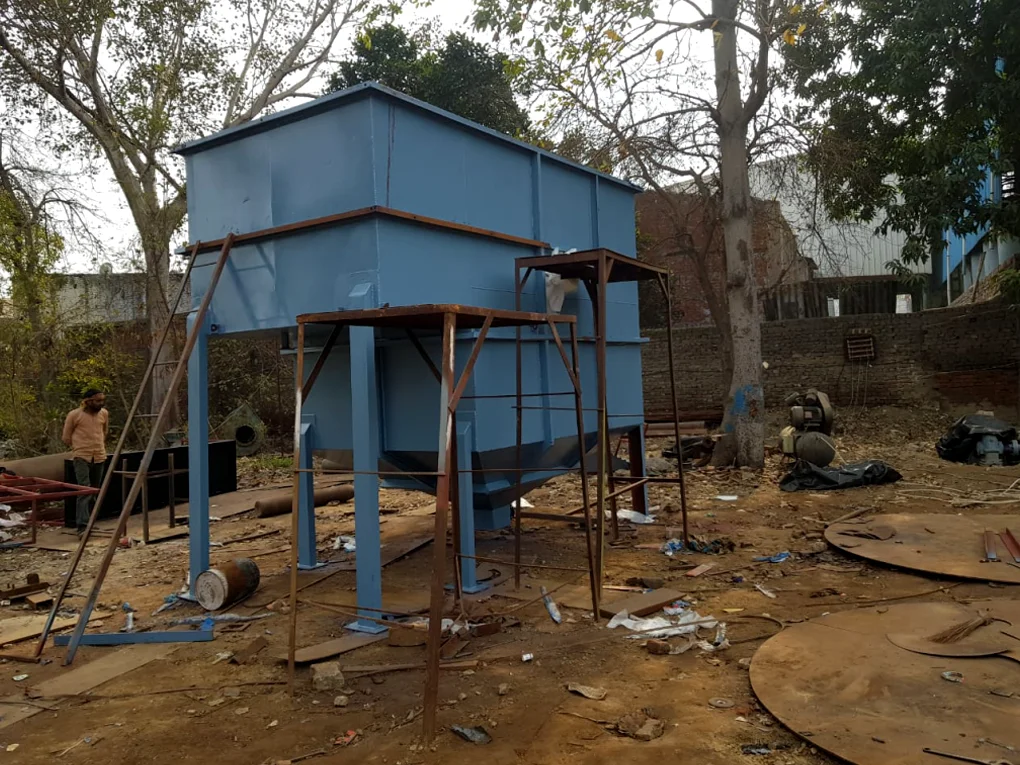
Anomizer designs and builds liquid syrup manufacturing plants for pharmaceutical, nutraceutical and herbal producers who want clean, repeatable batches and equipment that is easy to maintain.
A syrup plant is a connected line where sugar is dissolved, ingredients are blended, the liquid is filtered and then held ready for filling. It's built around a few core stations rather than one machine.
The usual layout has a sugar melting vessel, a manufacturing (mixing) vessel, a filtration unit, a storage tank, transfer pumps and a control panel. Larger setups add a colloid mill, a vacuum arrangement or a CIP system. The same plant can handle oral syrups, suspensions, elixirs, tonics and herbal liquids with only changes in settings and cleaning.
Everything starts with the sugar. Purified water is heated in the sugar melting vessel, and sugar is added slowly under agitation until it dissolves into a clear base syrup. Temperature control is important here. Too cool and sugar stays grainy. Too hot, or heated too long, and the syrup darkens or starts to caramelize, which changes taste and colour.
The base syrup is then moved to the main manufacturing vessel. Active ingredients, preservatives, sweeteners, flavours and colours are added in the right order. Some dissolve readily. Others, especially in suspensions, need stronger mixing or a homogenizer to spread evenly and stay suspended.
Once mixing is done, the liquid is cooled and passed through a filter. This removes undissolved particles and gives the product its clarity. After a quality check, the finished syrup goes to a storage tank, ready for the filling line.
|
Equipment |
What it does |
Typical details |
|
Sugar melting vessel |
Dissolves sugar in hot purified water |
Jacketed, with agitator, steam or electric heating |
|
Manufacturing vessel |
Blends actives, preservatives, flavours and colours |
Jacketed, with propeller or anchor agitator |
|
Homogenizer or colloid mill |
Mixes suspensions and thick liquids evenly |
Fitted where the formula needs it |
|
Filter unit |
Removes particles for a clear product |
Filter press or cartridge type |
|
Storage tank |
Holds finished syrup before filling |
Stainless steel, with vent and level gauge |
|
Transfer pump |
Moves syrup between stages |
Sanitary type, gentle on the liquid |
|
Control panel |
Manages temperature, speed and timing |
Manual or PLC-based |
Not every customer needs all of this. A smaller unit may begin with a melting vessel, a manufacturing vessel and a filter, then add storage and automation later.
Syrup is sugary, and sugar feeds bacteria and mould. So the plant has to be simple to clean and leave nowhere for residue to sit. Product contact parts are made from SS 316 or SS 316L, with SS 304 used on outer frames and covers. Inside surfaces are polished smooth. Welds are ground flush and corners are rounded.
We fit sanitary tri-clover connections and valves so operators can dismantle and wash parts quickly. Where needed, a clean-in-place arrangement allows the plant to be flushed and sanitized without full disassembly. That saves time between batches and lowers the risk of contamination.
For pharmaceutical customers, construction follows cGMP expectations, with material test certificates and traceable parts. If your buyer or regulator needs specific documentation, tell us early so it can be built into the order.
The right size depends on your demand today and where you expect to be in a few years.
|
Stage |
Batch size |
Best suited for |
|
Laboratory or pilot |
Up to about 100 litres |
Formula trials and small test batches |
|
Small production |
Roughly 100 to 1000 litres |
Start-ups and regional brands |
|
Medium production |
Roughly 1000 to 5000 litres |
Growing manufacturers with steady orders |
|
Large production |
5000 litres and above |
High-volume pharmaceutical units |
These are starting figures. We adjust the design to suit your product, your batch schedule and your floor space. If you plan to scale, we can leave room in the layout for extra vessels so you don't have to rebuild.
Syrup plants are common across several industries:
With careful cleaning between runs, one plant can often handle more than one of these.
A process plant is a long-term investment. You'll depend on it every working day, so it matters who built it and whether they'll answer when something needs attention.
We fabricate in-house, which keeps responsibility clear. Vessels are tested for leaks and pressure before leaving the workshop. Agitators are checked for balance, seals are inspected and the system is run before dispatch, so problems show up at our end rather than yours.
After delivery, you deal with the same people who built your equipment. That includes installation guidance, operator training and spare parts. We try to be straightforward about what we can deliver and when, because a plain answer is more useful than a polished promise.
If you're setting up a new line or replacing an older one, the best first step is a simple conversation. Tell us what you make, your target batch size and the quality standards you work to. We'll suggest a suitable setup and send a clear quotation.
Contact the Anomizer team to discuss your liquid syrup manufacturing plant requirements.
Get expert consultation for high-quality liquid syrup manufacturing plant manufacturing, custom solutions, and industrial project support.