


Here's something nobody tells you when you start shopping for a tank: almost every website looks the same. Same claims, same bullet points, same "trusted by thousands" banner. So how do you actually tell a good manufacturer from one that's just good at marketing?
I've spent enough years around this industry to know the difference usually shows up months after installation — not on the sales call. A cheap tank might save you a few thousand rupees today and cost you a leak, a corrosion problem, or a full replacement three years later. That's the real math you're doing when you pick from a list of storage tank manufacturers, whether you realize it or not.
At Anomizer, this is basically all we think about, so let's walk through what actually matters.
Why This Decision Is Bigger Than It Looks
A tank isn't like buying a chair. You don't return it if it doesn't work out. Once it's installed — especially if it's underground or built into a structure — you're living with that choice for a decade or two. Water quality, structural safety, even your property's resale value can be tied to it.
That's why the relationship with your storage tank supplier matters more than the invoice. A good supplier asks you questions before they sell you anything: What's the water table like at your site? How many people are you supplying? What's the intended use — drinking water, industrial fluid, rainwater harvesting? If a company skips straight to the price quote without asking any of that, take it as a warning sign.
The Main Tank Types (and When Each One Actually Makes Sense)
Underground Water Storage Tanks
If you're short on surface space, or you just don't want a giant tank sitting in your yard, going underground is usually the answer. There's a bonus too — buried tanks stay cooler and get no sunlight, so you dodge the algae growth that above-ground tanks sometimes deal with. The catch is that installation is more involved. You need proper excavation, the right load calculations, and materials that won't corrode from ground moisture over time. Skimp on any of that and you'll be digging the whole thing back up sooner than you'd like.
Stainless Steel Storage Tanks
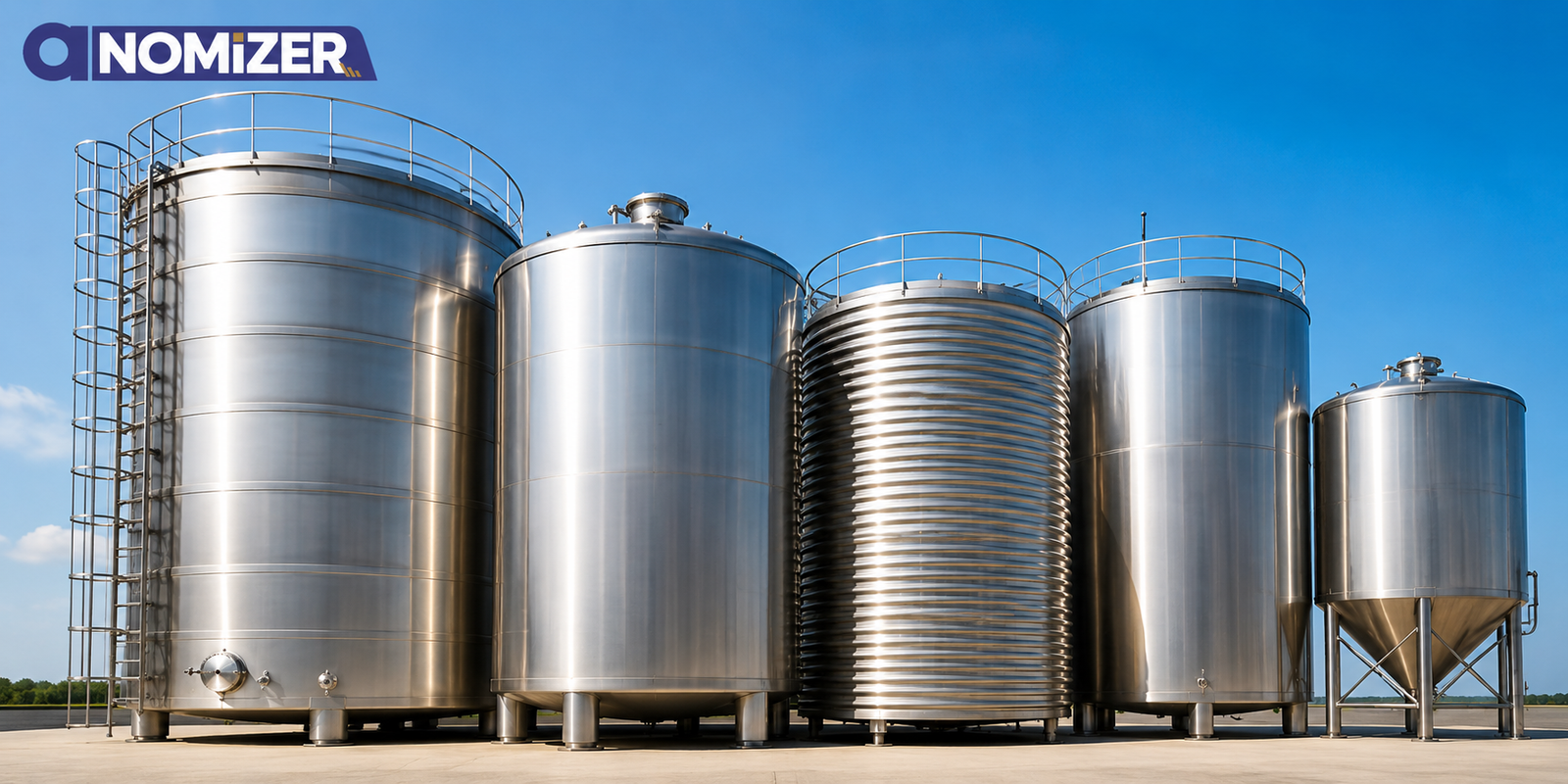
For anything where hygiene really matters — pharma, dairy, breweries, high-purity water systems — a stainless steel storage tank is usually worth the extra cost. It won't rust, it won't leach anything into whatever you're storing, and it holds up fine whether it's baking in summer heat or sitting in freezing conditions. Yes, it's pricier than plastic or fiberglass. But if you're running a business where contamination is a real liability, that price difference stops feeling optional.
Vertical Water Storage Tanks
When floor space is tight, going vertical instead of horizontal solves a lot of problems fast. A vertical water storage tank fits neatly on rooftops or in small utility areas, and honestly, they're also just easier to inspect — everything's visible and accessible instead of buried or hidden. For homes and smaller commercial setups, this is often the practical choice.
Spotting a Good Manufacturer in a Crowded Market
Search for water storage tanks manufacturers in India and you'll get an overwhelming number of results, most of them saying nearly identical things. Here's what actually separates the real ones:
- They're upfront about materials — wall thickness, whether it's food-grade, UV protection levels. No vague answers.
- Certifications exist and are easy to verify — ISO 9001 Quality Management Systems (external link), ISI marking, and other standards relevant to your application.
- Warranties run 5+ years, and the company doesn't disappear once the tank's installed.
- They'll customize sizing and fittings instead of pushing you toward whatever's already in stock.
- Past customers exist and are willing to vouch for them — ask for references, not just testimonials on a webpage.
Where Anomizer Fits Into This
We built Anomizer around the idea that a tank should outlast the guesswork that usually goes into buying one. We ask the annoying questions upfront — site conditions, water table, intended use, load requirements — so you're not troubleshooting problems a year later that should've been caught at the design stage. Underground installs, rooftop verticals, stainless steel builds for regulated industries — we approach all of it the same way: material integrity first, everything else second.
Let's Get This Right the First Time
Picking among storage tank manufacturers doesn't have to feel like a gamble. If you tell us what you're working with — space, budget, use case — we'll tell you honestly what makes sense, even if it's not the most expensive option. Reach out to Anomizer today and let's figure out a tank that's actually built to last.