


If you've ever had to replace a tank after a leak, you already know why the choice of chemical storage tank suppliers matters more than most people assume going in. It's not a purchase you make often, which is exactly why it's easy to get wrong. The tank you install this year is probably going to sit in your facility for the next fifteen or twenty — so a rushed decision now turns into a maintenance headache later. At Anomizer, we've sat through enough of these conversations with facility managers to know where things usually go sideways, and it's rarely the tank itself. It's who built it.
Why the Supplier Matters as Much as the Tank
Two tanks can look nearly identical and still perform completely differently five years down the line. The difference usually comes down to what happened before the tank ever shipped — the resin grade used, how the welds were tested, whether the coating was actually rated for the chemical going inside it. Established chemical storage tanks manufacturers don't cut corners here, because they know a failure isn't just a cost, it's a liability. A supplier who can walk you through their testing process, not just their price sheet, is usually the one worth working with.
Getting the Tank Type Right
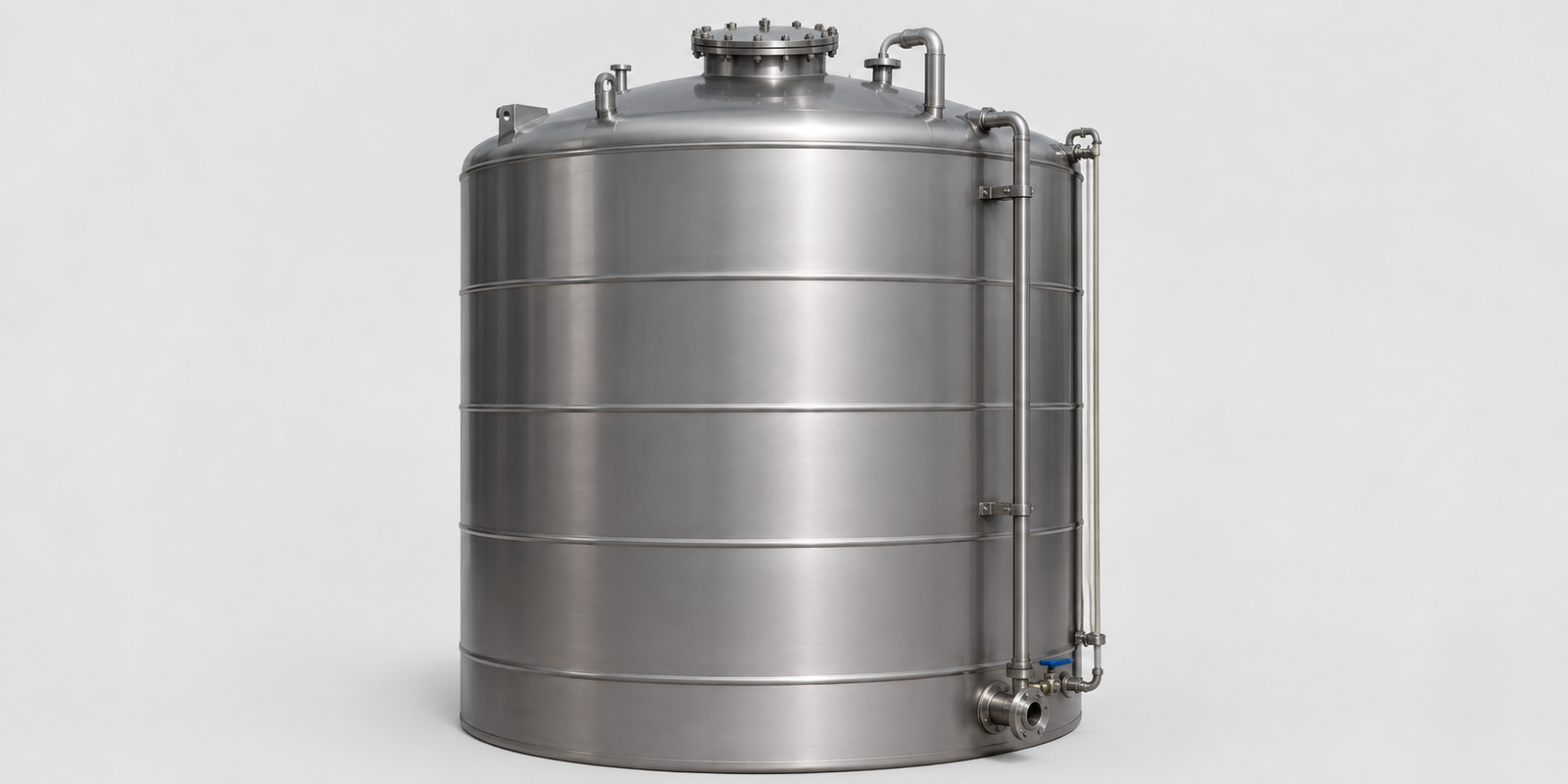
There's a reason the types of storage tanks on the market vary so widely — different chemicals, different site conditions, different regulations. Above-ground vertical tanks handle most everyday industrial storage without much fuss. But when space is tight or local codes demand it, an underground storage tank becomes the more practical route, even though it comes with its own set of leak-detection and corrosion requirements that above-ground tanks don't need to worry about, which isn't really comparable to either — pressurized gas storage plays by its own rules entirely.
Design Decisions People Skip Too Quickly
A lot of storage tank design conversations start and end with capacity, which is a mistake. Chemical compatibility, temperature swings, pressure limits, and secondary containment all deserve equal attention. A tank sized right but built for the wrong chemical will still fail — sometimes faster than a smaller tank built correctly. This is usually where you can tell the difference between a supplier who's actually engineering a solution and one who's just selling a catalog item.
Talk to Anomizer Before You Decide
A tank is a long-term commitment — get it wrong and you're living with the consequences for years. Reach out to Anomizer and we'll help match you with a supplier that actually fits what you're storing, not just what's in stock. Get in touch for a free consultation today.