


Pressure Vessel: Complete Guide to Design, Types, Applications & Safety
A pressure vessel is among the most important pieces of equipment in the industrial setting. Be it in chemical processing, food production, pharmaceuticals, oil & gas, water treatment industries, pressure vessels store gases and liquids at high pressure in an efficient and safe manner. Selection of a suitable pressure vessel is important for ensuring safety and compliance to engineering standards globally.
At Anomizer, we are a trusted Pressure Vessel Manufacturer India, specializing in Industrial Pressure Vessel, Stainless Steel Pressure Vessel, Custom Pressure Vessel, and High Pressure Vessel solutions designed to meet international engineering standards.
What is a Pressure Vessel?
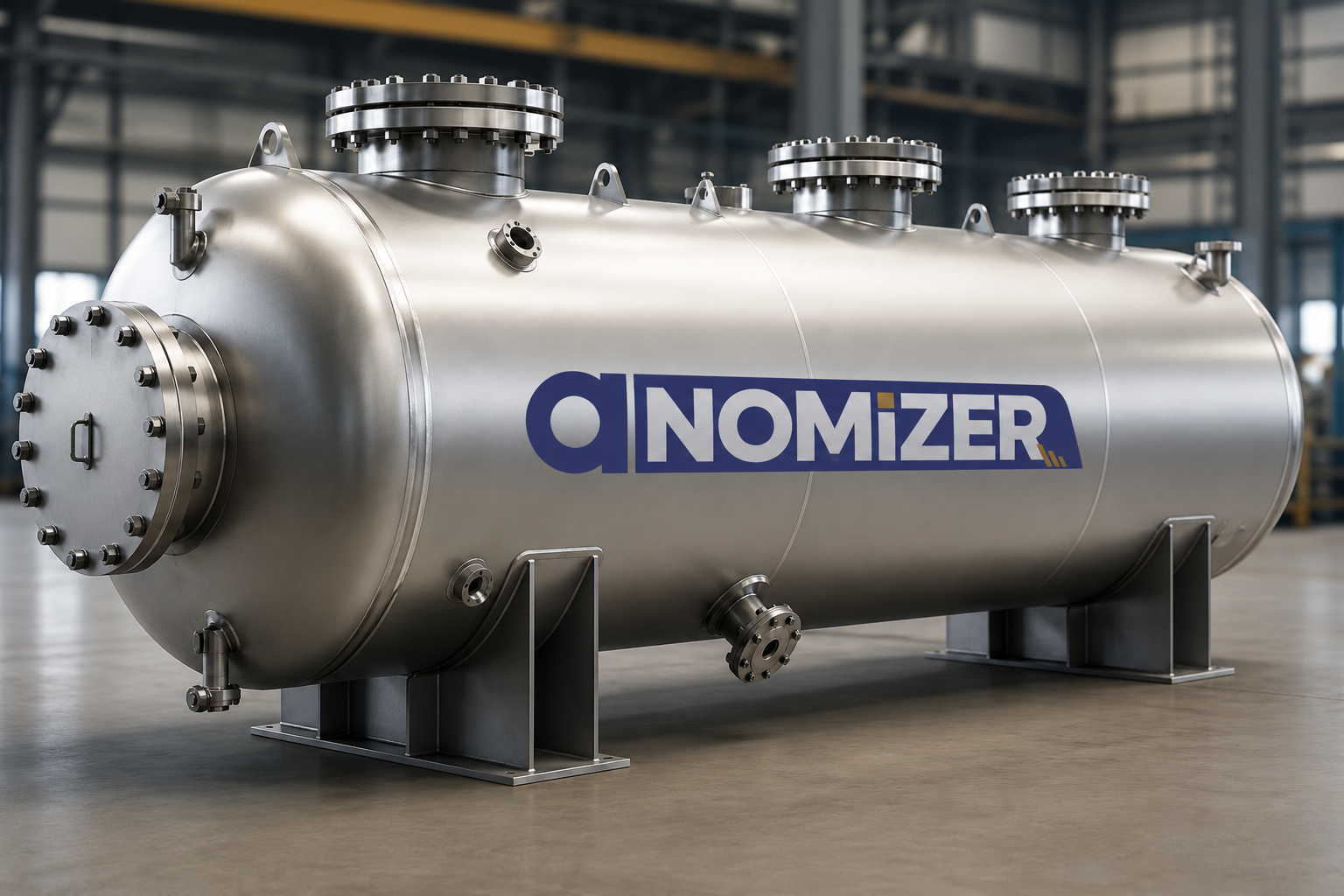
An Industrial Pressure Vessel is a specially engineered container designed to safely store gases or liquids under high pressure for various industrial applications.
Pressure vessels can be found in:
- Chemical Industries
- Pharmaceutical Plants
- Food & Beverage Industry
- Wastewater Treatment Plants
- Oil and Gas Industry
- Electricity Generation Plants
- Fertilizer Manufacturing
- Industrial Manufacturing Plants
Engineering and manufacturing are extremely important since pressure vessels are operated under harsh conditions where safety comes first.
Types of Pressure Vessel
Depending on the operating pressure, temperature, and type of use, different types of pressure vessel are used for different industries.
Examples include:
- Vertical Pressure Vessel
- Horizontal Pressure Vessel
- High Pressure Vessel
- Storage Pressure Vessel
- Process Pressure Vessel
- Jacketed Pressure Vessel
- Stainless Steel Pressure Vessel
- Custom Pressure Vessel
- High Pressure Vessel
- Pressure Vessel Tank
And many others.
Pressure Vessel Designing
A well-engineered Industrial Pressure Vessel requires precise design calculations, material selection, welding procedures, corrosion allowances, and compliance with international safety standards.
Some of the factors involved in the design of pressure vessels include:
- Operating pressure
- Temperature design
- Diameter and wall thickness of the vessel
- Material compatibility
- Corrosion resistance
- Nozzle locations
- Safety valve
- Inspection capabilities
- Boiler and Pressure Vessel Code
Each pressure vessel in industry must conform to established engineering codes.
The most universally accepted engineering code is the ASME Pressure Vessel Code, which provides for the following requirements:
- Materials
- Design calculations
- Manufacture methods
- Welding qualifications
- Inspection
- Hydrotesting
- Quality control
In compliance with the Boiler and Pressure Vessel Code, safety and regulation can be achieved in industries around the world.
Pressure Vessel Fabrication Process
Professional pressure vessel fabrication calls for precision manufacturing and strict quality control. The manufacturing process generally involves: Engineering Design Material Procurement Plate Cutting Shell Rolling Welding Nozzle Installation Surface Finishing Pressure Vessel Testing Pressure Vessel Hydrotest Final Inspection and Dispatch Anomizer manufactures all pressure vessels using advanced fabrication techniques for excellent performance and long service life.
Pressure Vessel Materials Selection of the materials depends on operating pressure.
temperature and nature of the process medium.
The most common materials used include:
- Stainless Steel 304
- Stainless Steel 316
- Carbon Steel
- Duplex Stainless Steel
- Alloy Steel
- Hastelloy
- Inconel
Using the right material ensures better performance against corrosion and durability.
Testing of Pressure Vessels
A pressure vessel must be tested before it can be shipped out to the consumer.
Some of the testing procedures include:
- Pressure Vessel Hydrostatic Test
- Non-destructive Testing (NDT)
- Radiography Testing
- Ultrasound Testing
- Dye Penetrant Testing
- Dimensional Inspection
- Leak Testing
- Visual Inspection
Applications of Pressure Vessels
Pressure vessels are employed in a wide array of industrial fields.
Main applications are:
- Chemical industry
- Water filtering system
- Reverse osmosis plants
- Pharmaceutical industry
- Food processing
- Beverages industry
- Oil refineries
- LNG plants
- Fertilizers industry
- Power stations
Due to their versatile applications, pressure vessels become an essential part of modern industry.
Why Choose Anomizer?
At Anomizer we focus on developing high-quality industrial equipment that is efficient and reliable.
Advantages of Anomizer:
- Engineering experience
- High quality raw materials
- Custom made pressure vessels manufacturing
- ASME inspired engineering approaches
- Modern welding technology
- Quality control
- Timely delivery
- Competitive prices
- Technical support
Solutions both for domestic and international markets
From standard tanks to industrial custom solutions, Anomizer provides durable equipment that meets all your needs.
Pressure Vessels Maintenance Best Practices
Good maintenance leads to longer life span of the equipment and safer conditions of work.
The following best practices are advised:
- Perform visual inspections regularly.
- Monitor the operating pressure and temperature of the pressure vessel.
- Safety relief valves shall be tested regularly.
- Test the pressure vessels periodically.
- Checking the pressure vessel for corrosion and leakage.
- Performing preventive maintenance programs.
- Replacement of worn out parts.
- Maintaining the record of inspections conducted.
Preventive maintenance can help reduce downtime and ensure safe operation of the vessel during its entire life span.
Conclusion
An excellent pressure vessel is an essential asset for any industrial company. Each stage from the design and manufacture of pressure vessels to adherence to ASME Pressure Vessel Code contributes significantly towards the development of safe and efficient operations.
Hiring experienced manufacturers of pressure vessels ensures reliability of operations, reduction in maintenance expenses and adherence to regulations.
Anomizer specializes in manufacturing of high quality pressure vessels in accordance with the industry standards.
Contact Anomizer Today
Looking for a reliable Pressure Vessel Manufacturer in India? Anomizer provides custom-engineered pressure vessels designed for safety, efficiency, and long-term performance. Contact our experts today to discuss your project requirements and receive a tailored solution that meets your industry standards.