


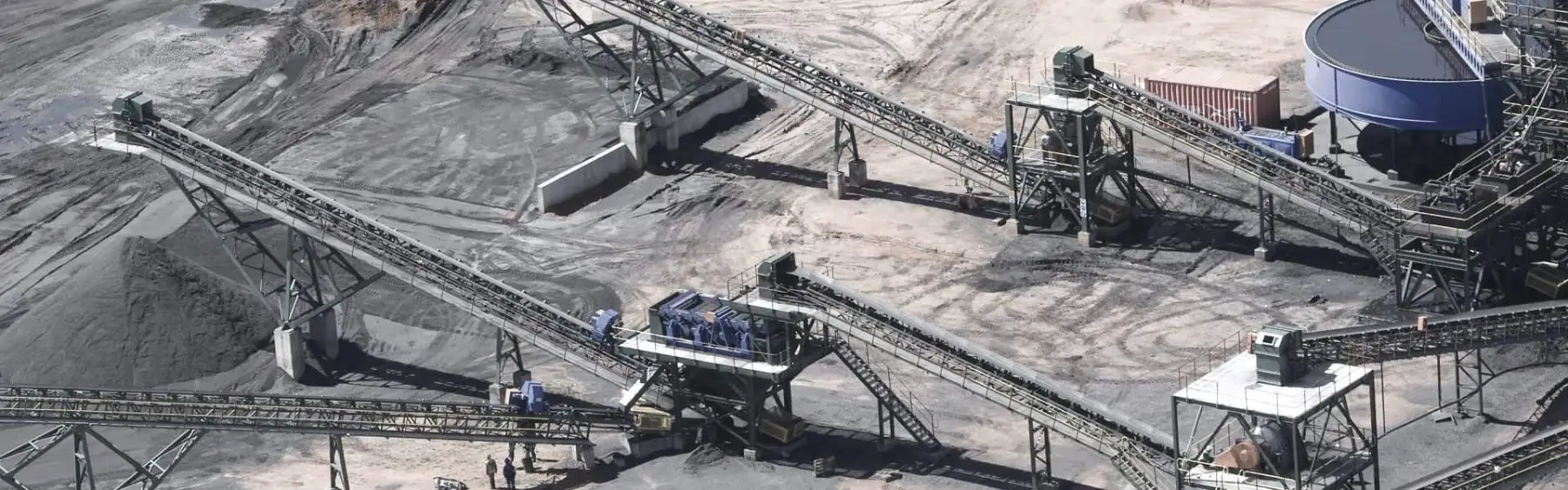
Sand blast media is the abrasive that does the actual work in every blasting job. At Anomizer, customers ask us the same things again and again: which grade to buy, how it differs from filter-grade sand, and why last year's bag performed differently on the shop floor. This guide answers those questions from daily hands-on experience, not a spec sheet.
Quick Answer: Sand blast media strips paint, rust, and coatings via high-speed impact. Sand filter media is rounded sand used inside a sand media filter to trap particles. The two are not interchangeable.
What Sand Blast Media Actually Does
Sand blast media is propelled by compressed air or a wheel system to strip paint, rust, scale, or old coatings. Results depend on particle shape, hardness, and size. Rounded grains peen the surface gently; angular grains cut harder and leave a rougher profile that helps coatings bite.
Silica sand was once standard, but many shops now use garnet, crushed glass, or specular hematite. The shift is largely due to silicosis regulations around airborne crystalline silica dust. We walk buyers through this trade-off honestly, since skipping it costs more later than it saves now.
Grain size matters too. Coarse grain removes material fast but leaves a rough finish; fine grain gives a smoother result but clogs more easily. Mesh numbers like 16/30 or 30/60 show the sieve range — matching this to nozzle pressure avoids uneven blasting.
Where Sand Filter Media Fits In
Sand filter media and sand blast media are not interchangeable, despite the shared name. Filter media is graded, washed silica sand used in pool filters, water treatment systems, and industrial tanks. Its job is to sit still and trap particles as water passes through.
The requirements flip completely here. Filtration sand must be rounded, not angular, to prevent channeling. It needs a tight size gradient and must be free of dust and fines, or particles wash straight back through.
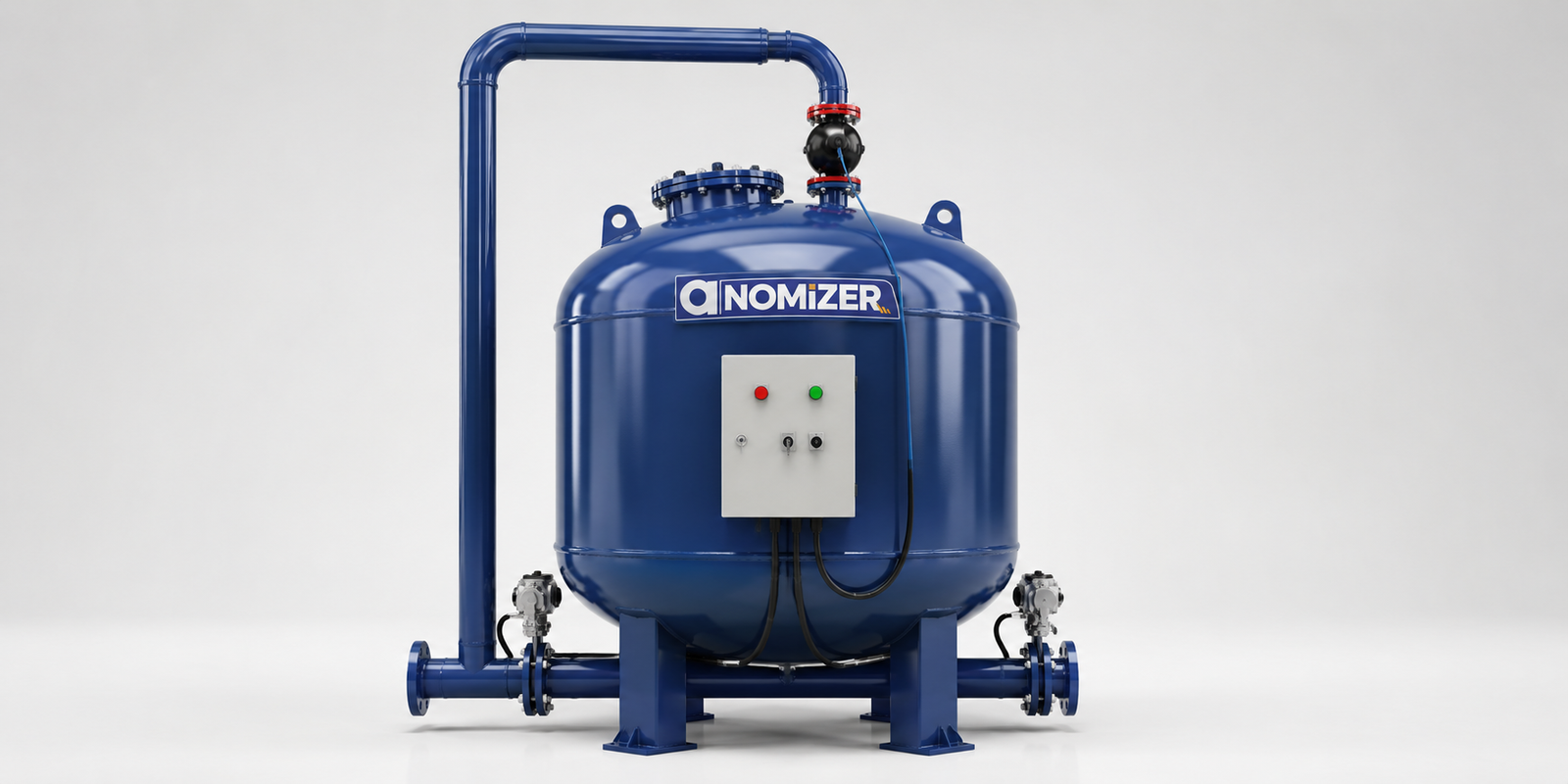
A sand media filter layers grades, coarse at the bottom and fine near the top. Using blasting-grade sand here causes poor water clarity, faster clogging, and more frequent backwashing.
Sand Media: One Term, Two Applications
We use "sand media" loosely since that's how people search, but internally we treat blasting stock and filtration stock as separate inventory. Blasting media is tested for hardness and breakdown rate. Filtration media is tested for roundness, effective size, and uniformity.
Not sure which you need? Ask one question: is the material hitting a surface, or sitting in a tank while water moves through it? That settles it almost every time.
Buying Decisions That Actually Matter
A few points come up on nearly every order:
- Moisture content — damp blasting media clogs nozzles; damp filter sand compacts unevenly.
- Batch consistency — a shift in grain size changes backwash cycles or blast results.
- Storage — sand exposed to rain or humidity swings degrades faster.
- Reclaimed vs. virgin media — reclaimed cuts cost for high-volume blasting but needs regular screening.
Anomizer checks these details before anything ships, because a mismatched batch costs downtime and rework, not just money.
A Straightforward Way to Decide
Compressed air, a nozzle, a surface to strip? That's sand blast media — prioritize angularity and hardness. A tank, a pump, water that needs to run clear? That's sand filter media — prioritize roundness and uniformity. Treating the two as one purchase is where most complaints start.
This guide reflects operational experience handling blasting and filtration sand media at Anomizer.com. Reach out with your application details for grade-specific recommendations.