


Quick Answer
A silo manufacturer in India based on what you're storing, not just the quote. Stainless steel suits food-grade, pharma, or corrosive materials, while mild steel handles cement, aggregates, and general bulk goods without issue. Ask to see structural calculations and cone-angle details before signing anything — a manufacturer who glosses over that conversation usually glosses over it on the shop floor too.
Most plant owners buy a silo once, maybe twice, in their entire career. That's what makes this decision tricky — you're locking in something that'll run for 15-20 years with almost no prior reference point to judge it against. Every flour mill, cement plant, chemical unit, and feed line has one tucked somewhere in the layout, quietly holding raw material until the process line calls for it. Nobody thinks about a silo until the day it stops behaving.
At Anomizer, the same team that fabricates our reaction vessels and process equipment handles silo work too. So this isn't a recycled buying guide — it's roughly what we cover with clients before a quote ever goes out.
Why the Manufacturer Matters More Than the Price
From outside, a silo reads as basic — a big metal shell that holds material. But underneath that simplicity sits real calculation work: plate thickness has to be sized against the bulk density of what's going inside, the cone at the bottom needs an angle steep enough that material doesn't hang up or channel down the middle instead of flowing evenly, and the whole structure has to be checked against wind and, where relevant, ground-shake forces for the region. None of that shows up when you're just looking at a product photo.
A capable industrial silo manufacturer in India will pepper you with questions before naming a price — what's stored, how it behaves as it flows, expected daily volume, how humid the site gets. When a supplier skips all of that and hands you a number on the spot, chances are a shortcut is baked into the design somewhere, and you'll only find it once the unit is bolted down.
Storage Silos: Matching Design to Material
Every material behaves on its own terms once it's sealed inside a vessel. Cement tends to pack tight. Grain can pull in moisture and clump up over a season. Certain plastic pellets and fine chemical powders build static as they move, which becomes a genuine safety concern if nobody's planned for it. A thoughtful storage silo manufacturer in India designs each unit around these particular quirks rather than reusing the same shell for everything that walks through the door.
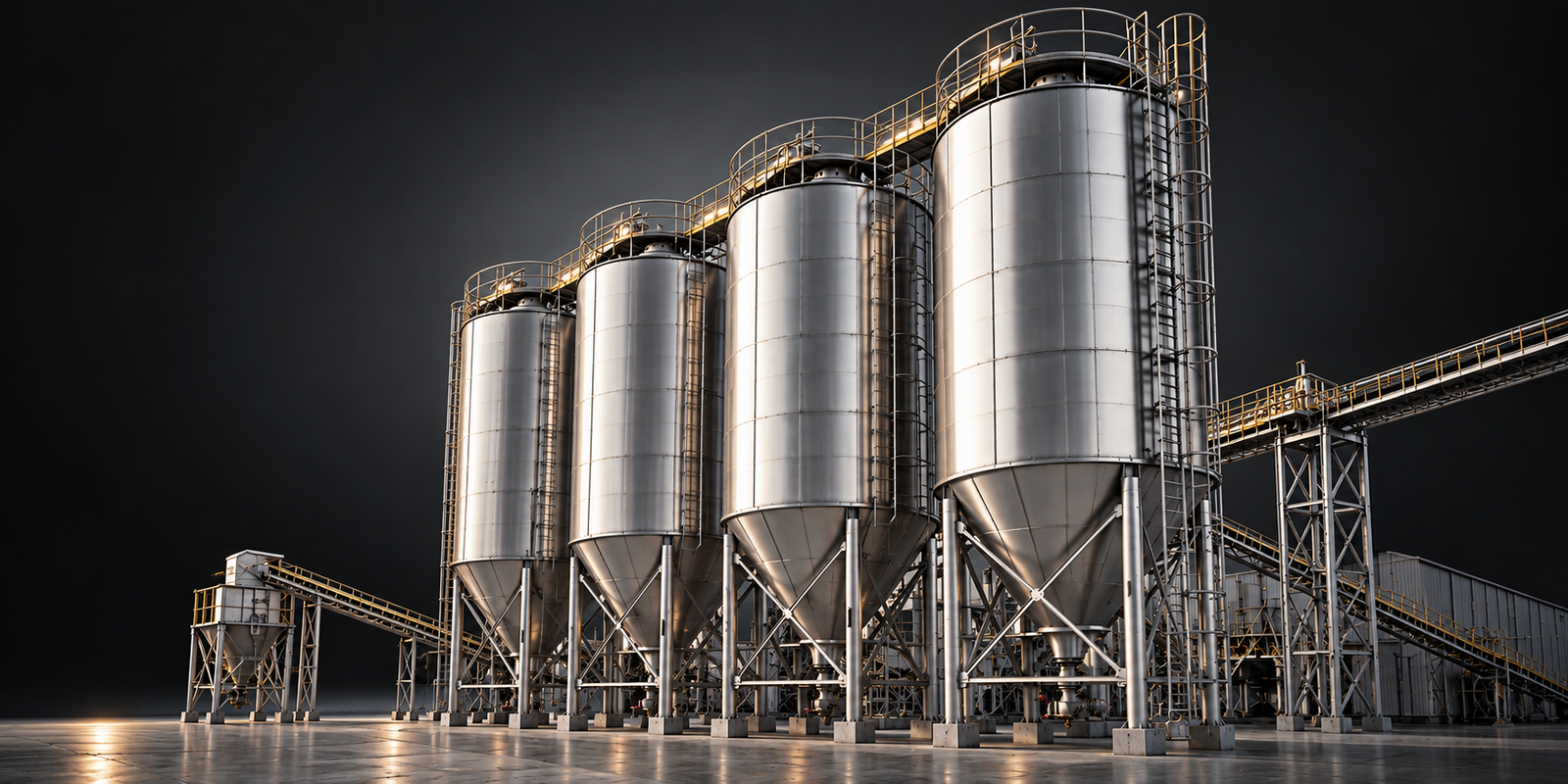
Practically, that means a hopper angle steep enough for the material to fall freely, an internal surface that won't react with or stick to whatever's stored, and pressure relief built in so the vessel breathes properly as it fills and empties. Miss any one of these and you get a silo that looks fine on paper for the first year, then starts jamming, corroding, or needing someone to physically knock the walls to get material moving.
Stainless Steel vs. MS Silos — Which One Do You Need?
This question comes up in nearly every conversation we have, and there's genuinely no one-size answer. It hinges entirely on what's going inside the vessel.
Stainless steel silo manufacturers build for pharma-grade powders, food ingredients, dairy — anywhere corrosion resistance and cleanability are the whole point. Stainless holds its own against most chemical exposure, doesn't rust out in coastal humidity, and meets the wash-down standard that food and pharma inspections expect.
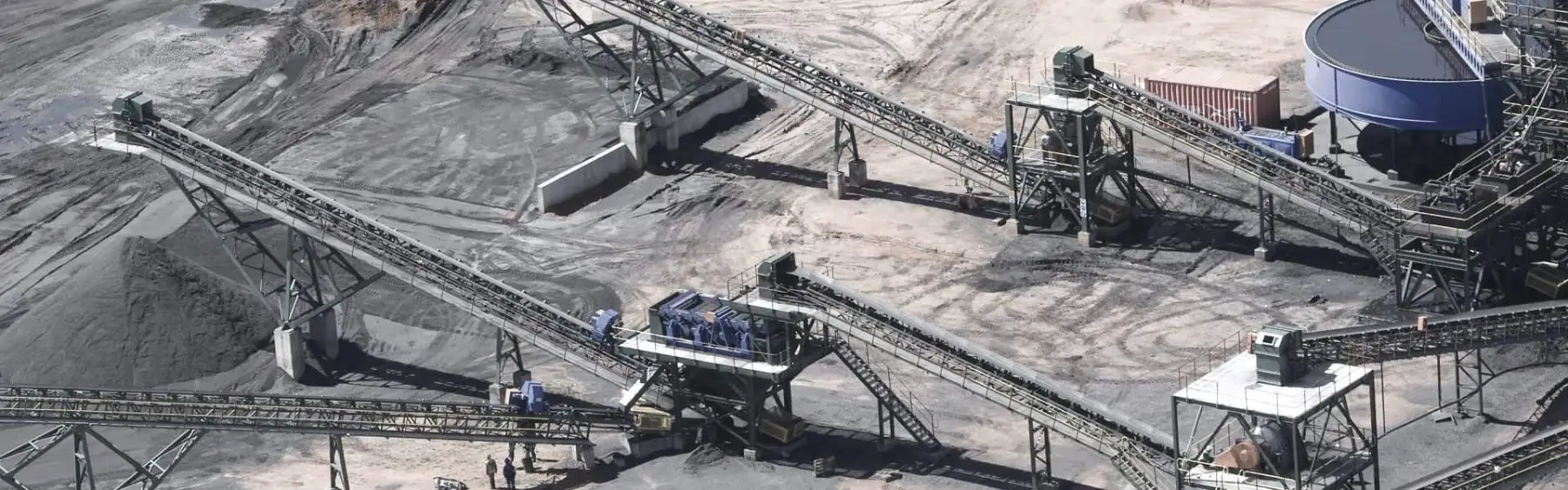
MS silo manufacturers serve the other half of the market — cement, coal, aggregates, mineral ores. Given a proper coating and regular upkeep, mild steel holds up for years at a fraction of stainless pricing, which is exactly why it makes financial sense for large-volume bulk storage.
Three things usually decide it for a buyer: what material is going in, what conditions the silo sits in, and how many years it needs to hold up.
What Sets Reliable Silo Manufacturers Apart
Type silo manufacturers or industrial silo manufacturers into a search bar and the results blur together fast. What actually separates a genuine fabricator from someone with a welding shed:
- Welds that stay sound after years of loading cycles, not just clean-looking on delivery day
- Actual paperwork handed over — drawings, calculations, material certificates — instead of vague promises
- Someone still answering the phone a year after installation, since a silo isn't a one-time purchase
- A working understanding of Indian pressure-vessel and structural codes, particularly if the site sits in an earthquake-prone belt or near the coastline
Bulk Storage Silos for Growing Operations
Manufacturing in India is expanding quickly across food processing, agri-based industry, and chemical intermediates, and a lot of that growth is running straight into a storage bottleneck. A bulk storage silo manufacturer worth hiring understands that raw capacity isn't the whole picture — what actually counts is whether material comes out evenly, load after load, without a worker having to climb up and physically loosen it.
We've walked into plants where a poorly shaped cone causes material to hang and the entire line sits waiting on feed. That's not a volume shortfall, it's a design flaw, and it almost always traces back to a manufacturer reusing a stock template rather than working through the actual material's behavior.
How Anomizer Approaches Silo Manufacturing
Every silo project here begins with the material itself, not a catalog size pulled off a shelf. We work through bulk density, how moisture-sensitive the product is, and what discharge pattern it needs before any drawing gets locked, and we fabricate in both stainless steel and mild steel depending on what the job calls for.
Since the bulk of our work sits in pharma, chemical, and food processing — fields where a design slip isn't just annoying, it's a compliance failure — that same standard carries through even on simpler jobs, like a cement or mineral storage unit. It still gets engineered properly, not just bolted together.
If you're weighing silo manufacturers in India options right now, send over your material specs. We'll give you a straight answer on what design fits your actual site conditions, not whichever option is quickest for us to build.